
How to Buy Tool Liquidation Pallets for Resale
How to Buy Tool Liquidation Pallets for Resale
Buying tool liquidation pallets can be an opportunity for resellers, hardware retailers, contractors, and online sellers looking to source power tools and related accessories in bulk. Depending on the supplier and the specific lot, a pallet may contain drills, impact drivers, saws, grinders, batteries, chargers, and other tool-related products.
However, buying liquidation inventory requires more than finding an attractive advertised price. You need to understand the assortment, confirm product condition, calculate shipping and operating costs, and determine whether the tools fit your customers and sales channels.
At City Pallets Wholesale Liquidations, based in Calgary, Alberta, we help buyers explore wholesale liquidation inventory across different product categories. This guide explains what to look for when buying tool liquidation pallets and how to make more informed purchasing decisions for your resale business.
What Are Tool Liquidation Pallets?
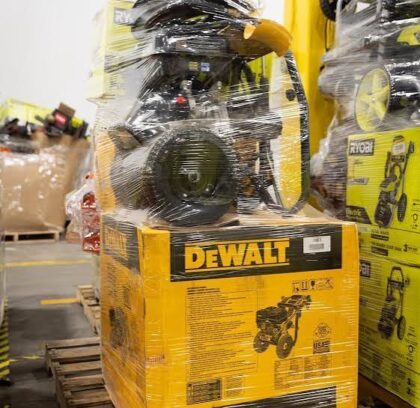
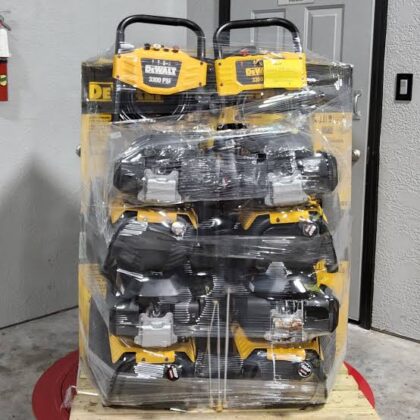
Tool liquidation pallets are bulk lots of tools and related merchandise sold together. Depending on the source, the inventory may include overstock, discontinued products, customer returns, open-box items, or mixed-condition merchandise.
Some tool liquidation pallets focus on power tools, while others may include accessories and equipment from several categories. The exact contents depend on the individual listing.
Common products may include:
- Cordless drills and impact drivers
- Impact wrenches and rotary hammers
- Circular saws and other cutting tools
- Grinders and sanders
- Batteries and compatible chargers
- Tool accessories, attachments, and related equipment
Not every pallet contains all these products. Before purchasing, review the product description and any available manifest to understand the actual assortment and the items confirmed for that lot.
Why Do Resellers Buy Tool Liquidation Pallets?
Resellers consider tool liquidation pallets for several reasons, including access to bulk inventory, opportunities to expand product categories, and the ability to source multiple items through one purchase.
Access to Multiple Tools in One Purchase
A mixed tool pallet may allow a reseller to acquire different types of tools in one transaction. This can be useful for sellers who serve homeowners, tradespeople, repair businesses, or customers looking for workshop equipment.
A mixed assortment may also provide products suitable for different selling channels, although the suitability of each item depends on its model, condition, completeness, and market demand.
Opportunities to Expand Your Product Range
If your business already sells hardware, automotive products, home improvement merchandise, or general goods, tool liquidation pallets may provide another inventory category to evaluate.
New sellers should start by researching the products their customers actually need. A large assortment is not automatically valuable if you lack the space, expertise, or sales channels to process it.
Bulk Purchasing for Resale
Buying in bulk can reduce the time spent sourcing individual items. However, the overall value depends on the lot’s contents, purchase price, freight, condition, and the amount of work required before resale.
Always evaluate the full cost of the inventory rather than relying only on the advertised retail value.
How to Choose the Right Tool Liquidation Pallets
Choosing suitable tool liquidation pallets starts with understanding what is being sold and whether the lot matches your business.
1. Check the Product Condition
Product condition is one of the most important factors when buying liquidation tools.
Inventory may be described as new overstock, open-box, customer returns, tested, untested, or another condition category. These terms can indicate very different levels of risk.
Before purchasing, confirm:
- Whether the tools are described as new or previously used.
- Whether products have been tested.
- Whether packaging is included.
- Whether items may be incomplete or damaged.
- Whether batteries, chargers, and accessories are included.
For example, a listing for new overstock should accurately reflect the condition of the merchandise being sold. Do not assume every liquidation pallet is new or ready for immediate resale.
2. Review the Manifest or Product Listing
A manifest is an itemized list of inventory that may include product names, model numbers, quantities, conditions, and estimated retail values. Some tool liquidation pallets have manifests; others are sold with a general assortment description.
If a manifest is available, review it carefully. Confirm whether it describes the exact pallet or provides an estimate of the contents.
For mixed tool pallets, look for details about the brands represented, the number of pieces, and the accessories included. If a specific model or configuration matters to your business, confirm it before placing your order.
At City Pallets Wholesale Liquidations, buyers should use the details provided in each product listing to understand the confirmed contents and any variations between pallets.
3. Confirm the Brands and Tool Assortment
Brand names can help buyers identify products relevant to their customers, but a brand name alone does not establish a tool’s condition, completeness, or resale value.
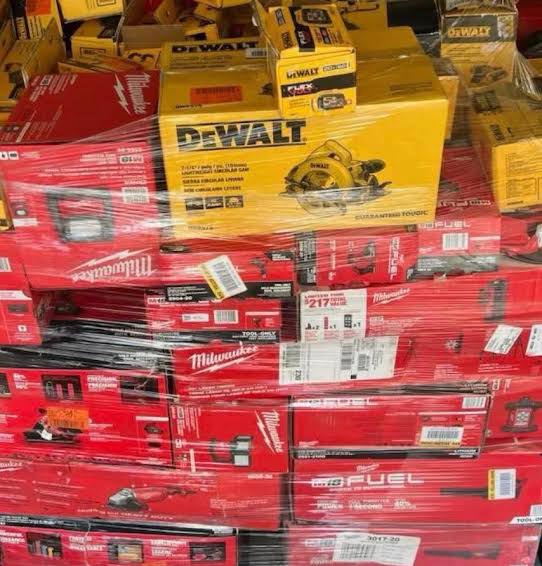
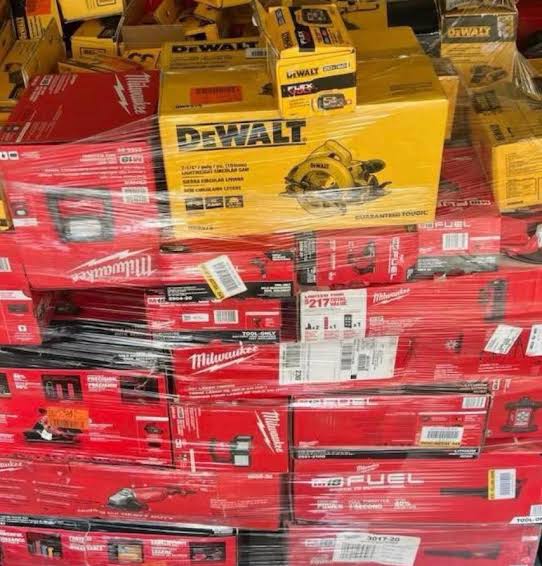
For example, a mixed Milwaukee and DeWalt tools liquidation pallet may appeal to resellers who already serve customers interested in these brands. However, individual models, quantities by brand, and specific configurations can vary unless expressly confirmed in the listing.
Read the product description carefully and avoid assuming that every pallet contains the same mix of tools.
4. Check Batteries, Chargers, and Compatibility
Batteries and chargers are important considerations when buying cordless tool liquidation pallets.
A pallet may contain different battery platforms, voltages, models, and charger types. Even when batteries and chargers are included, the exact quantities and models may vary between assortments.
Before reselling individual tools, verify compatibility and describe included accessories accurately. Do not assume that a battery from one platform will work with a tool from another.
Inspect batteries for visible damage and follow applicable safety guidance. Damaged or swollen lithium-ion batteries should not be sold or used.
5. Evaluate the Lot Size
Tool liquidation pallets can vary in size, value, and processing requirements. A larger lot may offer more items, but it also requires more room for receiving, sorting, inspection, storage, and resale preparation.
Choose a lot that matches your available budget and operational capacity. If you are new to liquidation buying, starting with a manageable purchase can help you learn how long it takes to process and sell the inventory.
How to Calculate the Cost of Tool Liquidation Pallets
Before buying tool liquidation pallets for resale, calculate the total cost of getting the merchandise into a condition where you can offer it to customers.
Include:
- The pallet purchase price
- Shipping and freight charges
- Applicable taxes and other fees
- Receiving, unloading, and storage
- Inspection and testing time
- Cleaning, replacement parts, or repairs where appropriate
- Marketplace fees, payment processing, and packaging
Use Realistic Resale Prices
Estimated retail value is not the same as the amount you can expect to receive when reselling a tool.
Research current prices for the same model and condition, using comparable listings and completed sales where available. Consider whether the item includes the original packaging, battery, charger, case, or other accessories.
Also allow for products that may take longer to sell or may not be suitable for resale.
Example of a Simple Cost Calculation
Suppose a hypothetical tool pallet costs $900 and shipping costs $150. Your initial cost is $1,050 before other expenses.
If inspection and preparation add another $100, your total cost becomes $1,150. If only some of the tools are suitable for resale, the cost per sellable item will be higher than simply dividing the total by the original number of pieces.
This example is for illustration only. Actual costs and resale outcomes vary by pallet, supplier, and market.
Where to Buy Tool Liquidation Pallets in Canada
Canadian buyers can explore wholesale liquidation suppliers, online liquidation marketplaces, local warehouses, and auctions. Each option has different purchasing terms, inventory availability, and shipping arrangements.
When comparing suppliers, look for clear descriptions, transparent costs, accessible customer service, and written policies. Verify the seller’s business information and make sure you understand the terms before sending payment.
Explore City Pallets Wholesale Liquidations
City Pallets Wholesale Liquidations is a Calgary, Alberta-based business offering wholesale liquidation inventory for buyers to explore.
Our available inventory may include power tools, electronics, cosmetics, and general merchandise, depending on current stock. Buyers interested in tool liquidation pallets can review the individual product listing to check the stated quantity, condition, assortment, and included accessories.
If you’re considering a mixed Milwaukee and DeWalt tools liquidation pallet, review the product details to understand which contents are confirmed and which features may vary between pallets.
Start at the City Pallets Wholesale Liquidations homepage to explore the available selection. You can also learn more about our business on the About Us page.
Compare Shipping Before Ordering
Shipping can significantly affect the total cost of tool liquidation pallets, especially for large or heavy shipments.
Before completing an order, check the delivery destination, freight charges, estimated delivery timing, and unloading requirements. Some freight deliveries may require suitable vehicle access, a loading dock, a forklift, or liftgate service.
Review the supplier’s shipping policy and confirm any delivery arrangements that are important to your location.
Common Mistakes to Avoid
Buying Based Only on Retail Value
Original retail prices do not guarantee future resale prices. Research actual market demand and calculate costs before deciding how much a pallet is worth to your business.
Ignoring Product Condition
A pallet described as customer returns or untested may require substantial inspection. Make sure the condition information matches your budget and willingness to handle uncertain inventory.
Assuming Every Pallet Is Identical
Mixed tool liquidation pallets may vary in models, brand quantities, battery platforms, and accessories. Rely on confirmed listing details rather than assuming a previous pallet’s contents will be repeated.
Forgetting Shipping and Handling
A low purchase price can become less attractive after freight, unloading, storage, and preparation costs are included. Calculate these expenses before purchasing.
Overestimating Profit
Resale revenue is not profit. Subtract inventory costs, shipping, labour, selling fees, repairs, and other operating expenses before evaluating the results.
Tips for Reselling Liquidation Tools
Once you receive your tool liquidation pallets, organize the inventory before listing products for sale.
- Sort by category and model. Group similar tools and accessories to make inventory management easier.
- Inspect each item. Check visible condition, completeness, model information, and any included accessories.
- Test only when safe and appropriate. Follow the manufacturer’s instructions and applicable safety requirements.
- Take accurate product photos. Show the actual item and disclose cosmetic damage, missing parts, or other relevant limitations.
- Write clear listings. Include model numbers, condition, and exactly what is included.
- Track your costs and sales. Record expenses and actual selling prices to assess how well the purchase performed.
These records can help you decide which inventory categories to consider in future purchases.
Frequently Asked Questions
Are tool liquidation pallets good for resale?
They may suit resellers who understand the category, have a way to inspect and market the tools, and can manage the total purchase cost. Results depend on the actual inventory, condition, demand, and operating expenses.
What tools can be included in a liquidation pallet?
Depending on the listing, a pallet may include drills, impact drivers, saws, grinders, batteries, chargers, and other tools or accessories. Always check the individual listing for confirmed contents.
Do tool liquidation pallets include batteries and chargers?
some do. Check the specific product description to confirm whether batteries and chargers are included, and review any available details about their models and quantities.
Can I buy Milwaukee and DeWalt tools in the same pallet?
Some mixed tool pallets contain both brands. Check the listing to confirm the brands represented and review any details about the assortment, models, and quantities.
Where can I find tool liquidation pallets in Canada?
You can compare Canadian liquidation suppliers, online marketplaces, local warehouses, and auctions. City Pallets Wholesale Liquidations, based in Calgary, Alberta, is one option to explore. Review the available product listings and shipping terms before purchasing.
Conclusion: Find Tool Liquidation Pallets for Your Resale Business
Buying tool liquidation pallets can help resellers explore bulk inventory and expand their product range, but careful evaluation is essential. Check product condition, review manifests when available, confirm batteries and accessories, calculate freight and operating costs, and research realistic resale prices.
The right pallet is one that fits your customers, budget, and ability to process and sell the merchandise—not simply the one with the highest advertised retail value.
At City Pallets Wholesale Liquidations, we encourage buyers to review the available product information and confirm any essential requirements before ordering. Visit citywholesaleliquidations.com to explore our current wholesale liquidation inventory and find out whether an available tool pallet fits your business needs.