
How to Start a Liquidation Resale Business in Canada
How to Start a Liquidation Resale Business in Canada
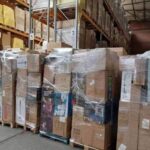
Starting a liquidation resale business in Canada can be an opportunity for entrepreneurs who want to sell products through an online store, marketplace, physical shop, flea market, or other resale channel. Liquidation inventory may include customer returns, overstock merchandise, power tools, electronics, cosmetics, clothing, and general merchandise.
However, success depends on more than buying pallets at a low price. Resellers need to understand product conditions, estimate their total costs, select the right inventory, and find customers who want the products they sell.
If you are researching how to start a liquidation resale business in Canada, this guide explains the main steps, common mistakes to avoid, and how to evaluate wholesale inventory before investing.
What Is a Liquidation Resale Business?
A liquidation resale business purchases merchandise from wholesale liquidation suppliers and resells individual items or lots to customers. The inventory may come from overstock, customer returns, discontinued products, seasonal merchandise, or other surplus stock.
Instead of selling an entire pallet to one buyer, a reseller may separate the products and list them individually. Another business might sell smaller bundles to local retailers or offer products at a market or in a physical store.
For example, a reseller who purchases a mixed tool liquidation pallet may sell individual tools online, while someone buying cosmetics or general merchandise may create smaller product bundles for local customers.
The right approach depends on the products, their condition, the available sales channels, and the amount of time required to prepare and sell the inventory.
Step 1: Choose Your Liquidation Product Category
One of the first decisions when starting a liquidation resale business is deciding what type of merchandise you want to sell.
Buying products across too many categories can make it harder to understand demand, assess condition, and manage listings. Starting with a category you understand can make the process more manageable.
Power tools and hardware
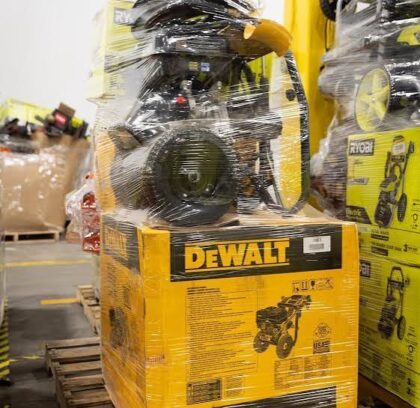
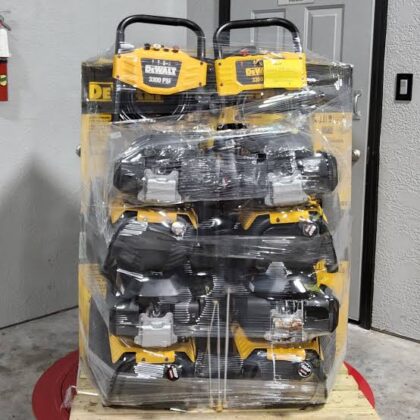
Power tools can appeal to contractors, DIY customers, hardware buyers, and online shoppers. Before purchasing a tool pallet, review the listed products, condition information, and included accessories.
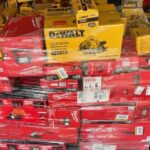
For example, a mixed Milwaukee and DeWalt tools pallet may contain tools from both brands, but specific models, quantities, battery platforms, and included accessories can vary. Check the individual product listing or manifest for the exact assortment.
Electronics
Electronics may offer resale opportunities, but condition and functionality are especially important. Check whether products are described as new, open-box, tested, untested, or customer returns. Consider missing accessories, compatibility, warranty limitations, and the time required to test each item.
Cosmetics and fragrances
Cosmetics and fragrances may suit resellers who understand beauty products and their customers. Verify product condition, packaging, authenticity, expiry or shelf-life information where applicable, and any relevant Canadian requirements.
General merchandise
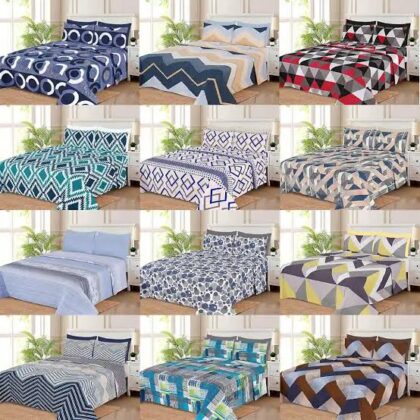
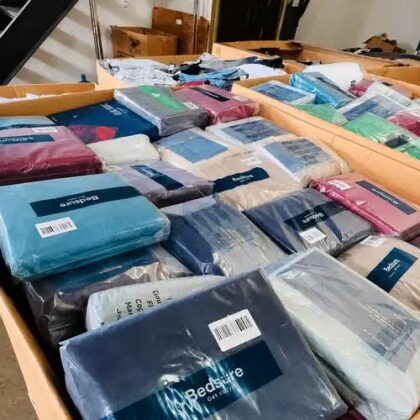
General merchandise can include household items, seasonal goods, accessories, and products from different categories. Mixed inventory may provide variety, but it can also require more work to sort, photograph, list, and price.
Practical tip: Choose your first inventory based on your budget, knowledge, available storage, and the customers you can realistically reach—not simply the number of products advertised in a pallet.
Step 2: Find a Wholesale Liquidation Supplier in Canada
Your supplier plays an important role in the buying process. A low advertised price does not automatically mean a good deal if the inventory details, delivery arrangements, or product conditions are unclear.
When comparing liquidation suppliers, review the following:
- Product descriptions: Do they explain what the pallet contains?
- Condition details: Are products described as new overstock, customer returns, open-box, or another condition?
- Manifests: Is an itemized list available, and does it match the specific lot?
- Pricing: Is the total price clear before you order?
- Shipping: Can the supplier explain delivery costs, timelines, and freight requirements?
- Customer support: Can you ask questions before committing to a purchase?
City Pallets Wholesale Liquidations, based in Calgary, Alberta, Canada, offers wholesale liquidation opportunities across categories such as power tools, electronics, cosmetics, and general merchandise, depending on available inventory.
Resellers can visit City Pallets Wholesale Liquidations to explore available products and compare inventory with their business needs. Review each listing carefully to understand what is included before ordering.
Step 3: Understand the Inventory Before You Buy
When you buy liquidation pallets for resale, you need to know as much as possible about the products you are purchasing.
A manifest, when available, can help identify product names, quantities, conditions, and estimated retail values. However, an estimated retail value is not the same as the amount you will receive when reselling an item.
If a pallet is unmanifested or sold as a mystery assortment, you may have less information about its contents. Account for that uncertainty when deciding how much you are willing to spend.
Before ordering, ask:
- Are the items new, open-box, returned, used, or untested?
- Are any products damaged, incomplete, or sold for parts?
- Are batteries, chargers, cables, or other accessories included where relevant?
- Are the quantities and brands confirmed or only examples of possible inventory?
- What is the process if the delivered inventory materially differs from the listing?
Do not assume every item in a liquidation pallet is ready to sell immediately. Some products may need testing, cleaning, repackaging, or additional research.
Step 4: Calculate Your Total Cost Before Purchasing
A liquidation resale business needs careful cost calculations. The purchase price is only one part of the amount you may spend before making sales.
Include these costs in your estimate:
- Pallet or lot purchase price
- Shipping or freight charges
- Applicable taxes and import charges
- Storage and handling
- Product testing, cleaning, or repackaging
- Marketplace and payment fees
- Packaging and delivery to your customers
- Returns, damaged goods, and unsold inventory
Example: Estimating a liquidation purchase
Imagine you purchase a pallet for $1,000 and pay another $200 for shipping. You spend $100 on preparation and packaging, bringing your initial estimated cost to $1,300.
If you later sell some items for a combined $1,800, that does not automatically mean your final profit is $500. Marketplace fees, customer shipping, taxes, returns, unsold products, and other expenses may still need to be deducted.
The example is illustrative, not a prediction of typical resale results.
A useful starting formula is:
Estimated net profit = sales revenue − all business costs
You can also estimate a break-even point: how much revenue you need to recover your total costs. Use conservative resale prices and account for products that may take longer to sell or may never sell.
Step 5: Choose Where You Will Resell the Products
Before buying inventory, decide where you plan to find customers. Different sales channels have different costs, audiences, and operational requirements.
Online marketplaces
Online marketplaces can help sellers reach customers beyond their local area. However, competition, platform fees, shipping costs, and return requirements can affect the final margin.
Your own online store
An independent store gives you more control over your product pages and brand. You will also need a plan for attracting visitors, processing orders, answering questions, and managing customer service.
Local resale and flea markets
Local selling can be useful for products that customers prefer to inspect in person or collect directly. Consider booth fees, transportation, display space, and local demand.
Wholesale or bundle sales
Some resellers sell smaller lots to other businesses instead of listing every item individually. This can reduce the time spent creating individual listings, although selling in bulk may mean accepting a lower price per item.
You do not need to use every channel at once. Start with the sales method that best matches your products, available time, and budget.
Step 6: Set Up Your Business Operations
If you plan to operate a liquidation resale business in Canada, take time to understand the business registration, tax, and licensing requirements that apply to your situation.
The Government of Canada provides a guide to starting a business, including information about business planning, registration, and permits.
You should also review the Canada Revenue Agency’s guidance on when to register for and charge GST/HST. Registration requirements depend on your circumstances and applicable rules, so verify the current requirements rather than assuming they are the same for every business.
Create a simple recordkeeping system for purchases, shipping expenses, inventory, sales, fees, refunds, and other costs. Good records help you evaluate which product categories are worth buying again.
Plan your physical operations as well. You may need shelving, safe storage, a product-testing area, packing materials, and a system for tracking which items have been listed or sold.
Step 7: Create Accurate Listings and Build Customer Trust
Clear product listings help customers make informed decisions and reduce avoidable misunderstandings.
For each product, include the information that is relevant and available, such as:
- Product name, brand, and model
- Condition and any known defects
- Included accessories
- Clear photographs
- Important dimensions or compatibility details
- Shipping costs and delivery expectations
- Applicable return terms
Do not describe an item as new, tested, authentic, complete, or covered by a manufacturer warranty unless you have a reasonable basis for that claim.
For mixed liquidation lots, explain which details are confirmed and which may vary. Accurate descriptions help buyers understand what they are purchasing and support better customer service.
You should also check relevant Canadian product safety information. The Government of Canada’s recalls and safety alerts database is a useful resource for checking whether products you intend to resell are subject to a recall. Follow applicable rules and do not sell products that cannot legally be sold.
How City Pallets Wholesale Liquidations Can Help You Source Inventory
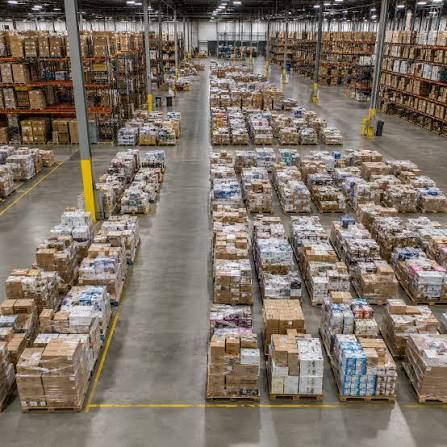
Choosing a liquidation supplier is an important part of building a liquidation resale business. City Pallets Wholesale Liquidations provides wholesale liquidation opportunities from its Calgary, Alberta, warehouse, with available inventory spanning categories such as tools, electronics, cosmetics, and general merchandise.
Inventory changes, so the products available at the time of purchase may differ from examples discussed in general guides. Buyers should review the current product listing, available manifest, condition information, and shipping terms before placing an order.
If you are ready to compare wholesale inventory for your resale business, start by browsing the City Pallets Wholesale Liquidations website. You can also learn more about the company on the About Us page.
Common Mistakes to Avoid When Starting a Liquidation Resale Business
Buying based only on advertised retail value. Retail value does not guarantee resale demand or the price customers will pay.
Spending the entire budget on inventory. Keep funds available for freight, preparation, storage, fees, and unexpected expenses.
Ignoring product condition. New overstock, customer returns, and untested goods involve different levels of uncertainty.
Failing to research demand. Check comparable listings and realistic selling prices before buying a large quantity of a product.
Overlooking shipping requirements. Pallets may require freight delivery, suitable unloading access, and someone available to receive the shipment.
Expecting every item to sell quickly. Inventory can take time to list and sell. Plan for slow-moving products and possible losses.
Making unsupported product claims. Accurate condition descriptions and clear terms are essential for maintaining customer trust.
Frequently Asked Questions
Is a liquidation resale business profitable in Canada?
It can be, but profitability depends on purchase costs, product condition, demand, resale prices, fees, shipping, and how much inventory remains unsold. Calculate the full cost of each lot and use conservative sales estimates before investing.
How much money do I need to start liquidation resale ?
There is no single starting budget for every reseller. Your budget depends on the product category, pallet price, shipping, storage, equipment, and sales channel. Starting with a manageable purchase can help you learn your costs before increasing order sizes.
Where can I buy liquidation pallets in Canada?
You can compare wholesale liquidation suppliers, auction platforms, and businesses that sell overstock or customer-return inventory. Review product descriptions, condition details, shipping terms, and available manifests before choosing a supplier. City Pallets Wholesale Liquidations is one option to explore for available wholesale inventory.
Are liquidation pallets always new?
No. Liquidation pallets can contain new overstock, open-box products, customer returns, used goods, or items with unknown condition. Check the specific listing rather than assuming all liquidation inventory is new.
Can beginners buy tool liquidation pallets for resale?
Beginners can consider tool pallets, but should review the models, condition, battery and charger details, accessories, and potential testing requirements. Understanding local demand and realistic resale prices is important before committing to a large purchase.
Should I buy manifested or unmanifested pallets?
A manifested pallet may provide more information about the expected contents, while an unmanifested pallet involves greater uncertainty. Neither option guarantees resale success. Choose based on your risk tolerance, budget, and ability to assess the merchandise.
Final Thoughts
Learning how to start a liquidation resale business in Canada begins with choosing a suitable product category, finding a supplier with clear listings, understanding inventory conditions, and calculating total costs before purchasing.
Build your business gradually, keep accurate records, research customer demand, and describe products honestly. Avoid assuming that low wholesale prices or high estimated retail values guarantee profits.
City Pallets Wholesale Liquidations can be a starting point for exploring available wholesale liquidation inventory in Canada. Review the current selection and product details carefully to determine which opportunities fit your resale strategy.