
Guide to Buying and Selling Return Pallets for Profit
Guide to Buying and Selling Return Pallets for Profit
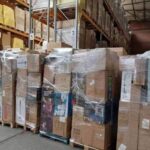
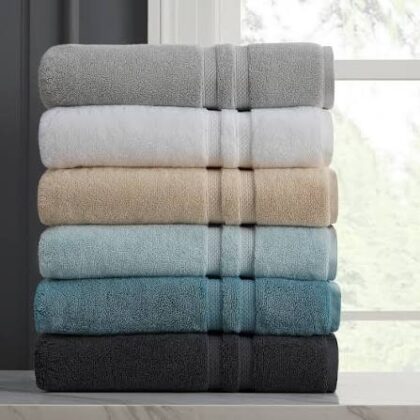
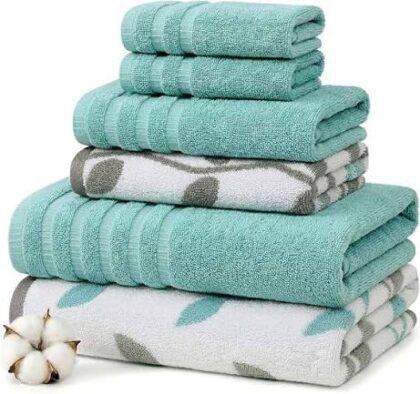
Buying and reselling returned merchandise can be an interesting way to start a resale business, expand an existing store, or explore new wholesale inventory opportunities. Return pallets may contain electronics, power tools, household products, clothing, cosmetics, and other merchandise sold together in bulk. For the right buyer, these products can create opportunities to reach new customers—but success depends on buying carefully and understanding the costs involved.
This guide to buying and selling return pallets for profit explains how the process works, where to look for inventory, how to evaluate a pallet, and how to resell products effectively. It also explores how City Pallets Wholesale Liquidations can help buyers discover available liquidation merchandise across Canada and through worldwide shipping.
Whether you’re an experienced reseller or just getting started, the goal is to make informed decisions rather than rely on promises of easy money.
What Are Return Pallets?
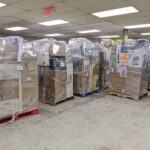
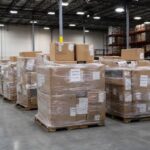
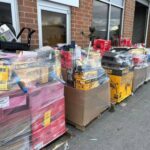
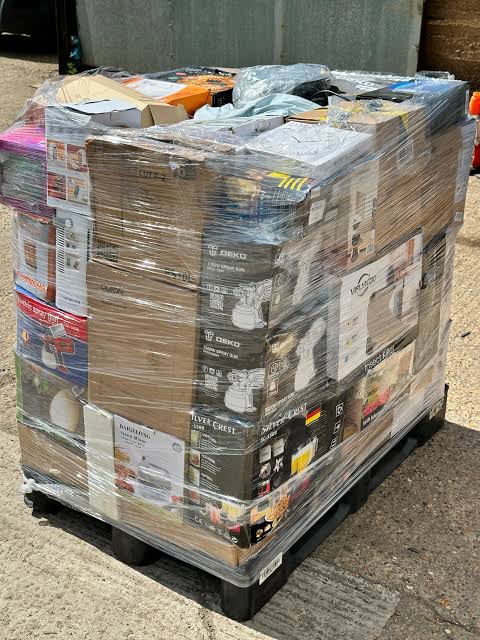
Return pallets are bulk lots of merchandise made up partly or entirely of products returned by customers. Depending on the supplier, a lot may contain unopened products, opened packaging, items with missing accessories, damaged goods, or products that need testing.
Not every liquidation pallet contains customer returns. Some lots consist of overstock, discontinued products, shelf pulls, or mixed merchandise. Understanding the difference is important because the inventory source and condition can influence your costs and resale options.
Common categories may include:
- Electronics and accessories
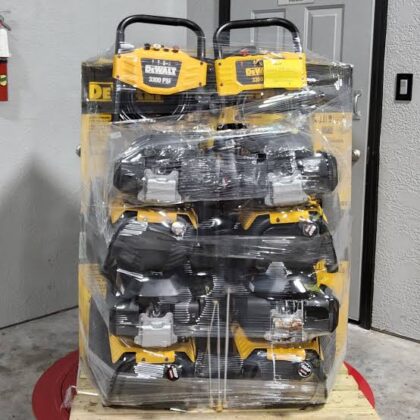
- Power tools and related equipment
- Home improvement products
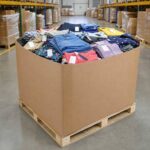
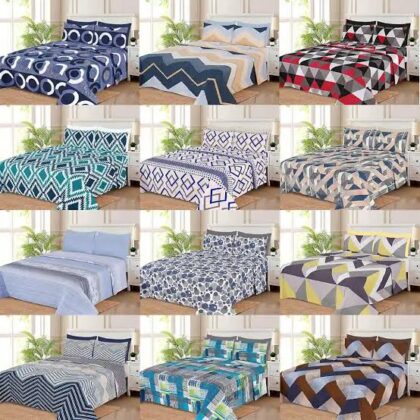
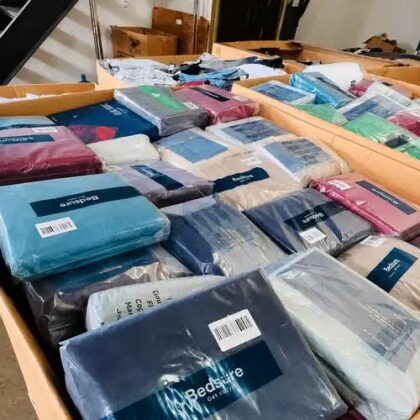
- Clothing and footwear
- Perfume, makeup, and other cosmetics
- Household goods and general merchandise
- Mixed liquidation boxes and assorted inventory
Before buying, read the specific listing carefully. Check whether the pallet is described as new overstock, customer returns, mixed-condition merchandise, or salvage. Never assume that every item is new or fully functional unless the seller confirms it.
Why Do People Buy and Resell Return Pallets?
The appeal of return pallets is the opportunity to source multiple products through one bulk purchase. Instead of buying every item individually, a reseller can evaluate a lot, sort its contents, and decide which products to sell through suitable channels.
For example, a seller who understands power tools may focus on tool inventory, while another business may specialize in household products or cosmetics. Some resellers sell individual items online; others use local marketplaces, discount shops, flea markets, or existing retail stores.
Return pallets can also help sellers test new categories without developing relationships with many individual suppliers. However, bulk purchasing involves uncertainty. Products may not sell quickly, some may need repair, and certain items may be unsuitable for resale.
The key is to choose inventory that fits your experience, budget, storage space, and customer demand.
How to Find Return Pallets to Buy
Finding the right supplier is one of the most important steps in building a resale business. You can explore liquidation companies, wholesale suppliers, auction platforms, and businesses that sell overstock or customer-return inventory.
When comparing suppliers, look for clear product descriptions, accessible contact information, transparent shipping terms, and understandable return policies. Be cautious of listings that promise extraordinary profits or valuable products without providing credible details.
Explore City Pallets Wholesale Liquidations
City Pallets Wholesale Liquidations offers wholesale liquidation opportunities across a range of categories. Buyers can explore available power tools liquidation, electronics, perfume and cosmetics products, mystery boxes, liquidation boxes, and general merchandise.
If you’re specifically looking for customer-return pallets, review the individual product listing or contact us to confirm which available lots match your requirements. Product categories, condition, quantities, and assortments vary by listing.
We serve customers throughout Canada and ship worldwide. You don’t need to be located in a particular Canadian city to explore our available inventory, although shipping options and costs depend on your destination and order.
Visit City Pallets Wholesale Liquidations to browse our website and review current offerings before deciding what to purchase.
How to Evaluate a Return Pallet Before Buying
A low advertised price doesn’t necessarily mean a pallet is a good deal. Before committing to an order, evaluate the available information and estimate the work required to turn the inventory into saleable products.
1. Review the manifest
A manifest is an inventory list that may identify products, quantities, model numbers, condition notes, or estimated retail values. Not every pallet has a manifest, and the level of detail varies.
If one is available, use it to identify products you understand and compare them with current market prices. If a lot is unmanifested, make your decision knowing that the exact contents may be uncertain.
2. Check product condition
Customer returns can range from unopened products to damaged or incomplete merchandise. For electronics and power tools, consider whether products need functional testing and whether batteries, chargers, accessories, or manuals are included.
Do not assume that an item works simply because it appears intact. Build time for inspection and testing into your plan.
3. Calculate the full purchase cost
Your cost is more than the price of the pallet. Include freight, taxes, auction fees where applicable, storage, labour, cleaning, repairs, packaging, marketplace fees, and delivery to your own customers.
For international orders, also consider potential customs duties, import taxes, and clearance costs. Confirm the shipping arrangements for your destination before purchasing.
4. Research demand
Look at comparable products and realistic selling prices. Check whether similar items are selling in your preferred marketplace, how much competition exists, and whether customers are actively searching for them.
An estimated retail value is not a guarantee of resale value. Your actual revenue depends on condition, demand, pricing, and how effectively you market the products.
How to Calculate Potential Profit
A simple cost calculation can help you decide whether a pallet is worth considering.
Imagine you purchase a pallet for $700 and pay $180 for shipping and other acquisition expenses. Your initial cost is $880.
After inspecting the merchandise, you estimate that the products you can realistically sell may generate $1,300 in total sales. If you spend another $170 on testing, packaging, platform fees, and other selling expenses, your estimated result would be:
- Estimated sales revenue: $1,300
- Initial purchase and delivery costs: $880
- Additional selling expenses: $170
- Estimated amount remaining: $250
This example is illustrative, not a profit forecast. Actual results may be lower if products do not sell, selling prices change, or more items are damaged than expected. It also does not account for every possible business expense, such as general overhead or income taxes.
A more cautious approach is to estimate revenue using conservative selling prices and assume that some products may be unsellable. If the purchase only appears worthwhile under very optimistic assumptions, consider choosing a different lot.
The Ultimate Guide to Making Money Reselling Returns
Buying inventory is only the beginning. Your resale process determines how efficiently you can turn merchandise into revenue.
Sort and inspect everything
Once the pallet arrives, organize products into groups such as ready to sell, needs testing, needs cleaning, incomplete, and unsuitable for resale. Record model numbers, condition, accessories, and any defects.
For electrical products and other safety-sensitive goods, follow applicable safety requirements and check for recalls before resale. Do not sell products that are unsafe, recalled, prohibited, or otherwise unsuitable for sale.
Choose the right sales channels
Different products perform differently across sales channels.
- Online marketplaces: Useful for listing individual products with detailed descriptions and photos.
- Local marketplaces: May suit larger household goods, tools, or products that are easier to collect in person.
- Retail stores and discount shops: Can provide an outlet for suitable inventory if the products fit the store’s customers.
- Specialist resale channels: May help sellers reach buyers who understand particular categories, such as tools or electronics.
Consider platform rules, fees, shipping requirements, and customer expectations before choosing where to list products.
Create honest product listings
Take clear photographs and describe each product’s condition accurately. Mention missing accessories, packaging damage, visible wear, and known defects. Avoid claiming that products are new, tested, authentic, or complete unless you have a reasonable basis for those statements.
Good listings help customers understand what they are buying and can reduce disputes and returns.
Track every sale
Keep records of acquisition costs, shipping, repairs, fees, selling prices, returns, and unsold stock. Reviewing these figures helps you identify which categories work best for your business.
Over time, use your actual results—not advertised retail values or another seller’s success story—to guide future purchasing decisions.
Buying Power Tools, Electronics, and Other Liquidation Stock
A successful reseller doesn’t have to sell every type of product. Specializing in categories you understand can make inventory evaluation and marketing easier.
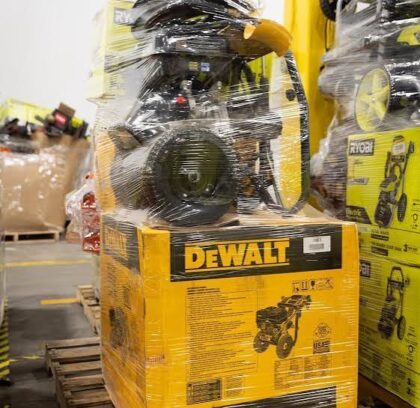
For example, power tools liquidation may appeal to buyers who know how to assess tool condition, model compatibility, batteries, chargers, and accessories. Electronics may require more detailed testing, while cosmetics and fragrances require careful attention to packaging, product condition, and applicable safety and labelling requirements.
City Pallets Wholesale Liquidations offers opportunities to explore several product categories, including power tools, electronics, perfume and cosmetics products, and other available merchandise. Check the specific listing for the condition, assortment, and quantity before ordering.
If you’re looking for a particular type of return pallet, contact us to confirm availability rather than assuming every product category is currently offered as customer returns.
Shipping Return Pallets Across Canada and Worldwide
Shipping can significantly affect the economics of buying return pallets. Before placing an order, confirm the shipping cost, delivery estimate, receiving requirements, and whether your location can accommodate a pallet or freight shipment.
City Pallets Wholesale Liquidations serves buyers throughout Canada and ships worldwide. For international shipments, buyers should confirm destination availability and consider any customs duties, import taxes, clearance procedures, or product-specific restrictions that may apply.
Make sure the total delivered cost fits your budget before completing the purchase. For large orders, plan how you will unload, store, inspect, and process the merchandise after delivery.
Common Mistakes to Avoid
Buying only because the price looks low. A low-cost pallet may contain products with limited demand or high processing costs.
Assuming every product works. Returned merchandise may be damaged, incomplete, or untested.
Ignoring shipping and fees. These costs can eliminate an expected margin.
Overestimating resale value. Use realistic market comparisons and account for competition.
Buying more inventory than you can manage. Storage, testing, listing, and customer service all take time.
Ignoring safety and recall checks. Review relevant product safety information before reselling merchandise.
For practical advice on checking online sellers and evaluating product information, consult the Government of Canada’s online shopping guide. Health Canada’s product recall and safety alerts database is also useful when checking products intended for resale in Canada.
Frequently Asked Questions
Can you make money selling return pallets?
It is possible, but results depend on the products, condition, purchase price, demand, selling costs, and how much inventory you can successfully sell. No pallet guarantees a profit.
What should beginners buy first?
Beginners may want to start with a manageable lot in a category they understand. Review the manifest if available, estimate all costs, and make sure you have enough storage and time to inspect and list the products.
Does City Pallets Wholesale Liquidations sell return pallets?
We offer wholesale liquidation inventory across multiple categories. The type and condition of each lot vary, so check current listings or contact us to confirm whether a particular available product is a customer-return pallet.
Does City Pallets Wholesale Liquidations ship internationally?
Yes. We serve customers across Canada and ship worldwide. Shipping costs, available services, delivery estimates, and import requirements depend on the destination and order.
How do I know whether a pallet is worth buying?
Review the available inventory details, assess the condition, compare realistic selling prices, and calculate your full costs. Be conservative about unsellable items and avoid relying solely on estimated retail value.
Final Thoughts
Buying and reselling return pallets can create opportunities for retailers and entrepreneurs, but it takes research, careful budgeting, and consistent inventory management. The strongest approach is to understand what you’re buying, assess product condition, calculate all costs, and build a resale strategy around real customer demand.
City Pallets Wholesale Liquidations helps buyers explore wholesale liquidation opportunities across categories such as power tools, electronics, cosmetics, and general merchandise. We serve customers throughout Canada and ship worldwide, allowing buyers in many locations to explore our available inventory.
If you’re ready to investigate wholesale merchandise for your business, visit City Pallets Wholesale Liquidations, review the available product details, and choose inventory that fits your budget and business plans. Research first, buy carefully, and treat profitability as a result to work toward—not a guarantee.