
Wholesale and Liquidation: How to Buy in Bulk for Resale and Build a Profitable Business
Wholesale and Liquidation: How to Buy in Bulk for Resale and Build a Profitable Business
Starting a resale business or expanding an existing retail operation often comes down to one important decision: finding the right products at the right buying price. For many entrepreneurs, retailers, and independent sellers, wholesale and liquidation offer different ways to source merchandise in bulk and create opportunities in the resale market.
Buying products in larger quantities can help businesses build inventory, offer customers a wider selection, and develop different sales channels. From household essentials and electronics to tools, appliances, clothing, and general merchandise, wholesale and liquidation inventory can serve many types of resale businesses.
However, buying in bulk is not simply about finding merchandise at a discounted price. Successful reselling requires planning, product research, inventory management, pricing decisions, and an understanding of customer demand.
Whether you are an experienced retailer, an online seller, a discount store owner, or someone considering starting a resale business, understanding how wholesale and liquidation work can help you make better purchasing decisions.
Understanding Wholesale and Liquidation
Although wholesale and liquidation are often discussed together, they are not exactly the same.
What Is Wholesale Merchandise?
Wholesale merchandise generally refers to products purchased in larger quantities from manufacturers, distributors, wholesalers, or other suppliers. Businesses purchase these products for resale, usually at a lower per-unit cost than buying individual items at retail prices.
Wholesale purchasing is common among:
- Retail store owners
- Online sellers
- Independent distributors
- Discount stores
- Market vendors
- Commercial buyers
- Resale businesses
Wholesale inventory may consist of brand-new products, packaged merchandise, bulk supplies, or products from specific categories.
For example, a retailer might purchase a large quantity of kitchen appliances, cleaning products, tools, or household accessories to sell individually to customers.
The main objective is to acquire inventory at a cost that leaves enough room for operating expenses and a potential resale margin.
What Is Liquidation Merchandise?
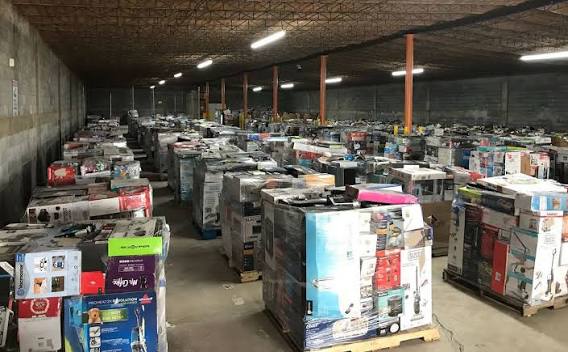
Liquidation merchandise comes from inventory that businesses or retailers want to sell through alternative channels rather than their usual retail operations.
This inventory may include:
- Customer returns
- Excess inventory
- Overstock merchandise
- Discontinued products
- Shelf pulls
- Seasonal merchandise
- Open-box products
- Store clearance inventory
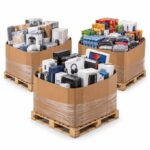
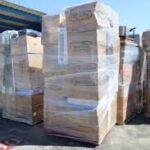
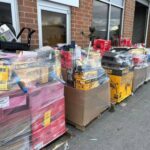
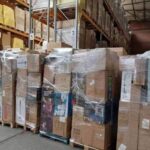
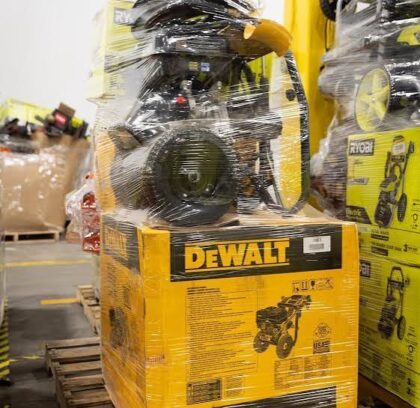
Liquidation merchandise can be sold in different quantities, including individual items, cases, pallets, multiple pallets, and truckloads.
Unlike conventional wholesale merchandise, liquidation inventory can have varying product conditions. Some products may be new and unused, while others may have opened packaging, cosmetic damage, missing accessories, or signs of previous use.
Understanding this difference is essential before purchasing.
Why Businesses Buy Wholesale and Liquidation Inventory in Bulk
Buying in bulk can offer several advantages for businesses that have the right customers, storage capacity, and resale strategy.
1. Access to Larger Quantities of Merchandise
One reason businesses purchase wholesale and liquidation inventory is to acquire multiple products in a single transaction.
Instead of sourcing every product individually, buyers can purchase cases, lots, pallets, or larger quantities. This can make inventory planning easier for retailers and resellers who regularly need merchandise to sell.
2. Opportunities to Purchase at Competitive Prices
Bulk purchasing may provide lower per-unit acquisition costs compared with purchasing individual products through traditional retail channels.
Liquidation inventory may also be available at discounted prices depending on the product category, condition, quantity, and supplier.
However, the advertised discount is only part of the calculation. Buyers should always consider transportation, handling, storage, product testing, repairs, and other expenses.
3. More Products to Offer Customers
A resale business needs merchandise that matches the interests of its customers.
Wholesale and liquidation suppliers may offer inventory across different categories, allowing businesses to expand their product selection or introduce new merchandise.
A retailer selling household products, for example, may decide to add small appliances, kitchen accessories, storage products, or seasonal merchandise.
4. Different Resale Opportunities
Bulk inventory can support several business models.
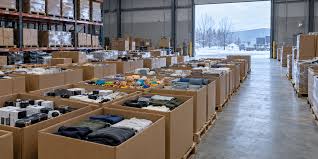
Depending on the merchandise, buyers may resell individual items through physical stores, online marketplaces, discount outlets, social media selling channels, or local markets.
Some businesses specialize in one product category, while others prefer a wider assortment of general merchandise.
What Products Can You Buy Wholesale for Resale?
The wholesale and liquidation market covers many product categories. Choosing the right merchandise depends on your target customers, selling experience, available capital, and storage arrangements.
Here are some categories worth exploring.
Electronics and Technology
Electronics can include televisions, monitors, speakers, headphones, computer accessories, gaming accessories, and other consumer technology products.
Before purchasing electronics in bulk, research the models, market demand, product completeness, functionality, and warranty arrangements where applicable.
Home Appliances
Small and large household appliances can be attractive inventory options for retailers and resellers.
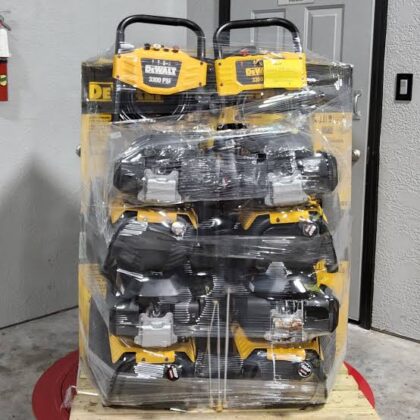
Products may include air fryers, coffee makers, blenders, vacuum cleaners, refrigerators, washing machines, fans, and other household equipment.
For customer-return or open-box appliances, checking functionality, accessories, and physical condition is particularly important.
Tools and Hardware
Tools are used by homeowners, contractors, maintenance professionals, and DIY enthusiasts.
Potential inventory includes power tools, hand tools, drills, tool accessories, hardware, lighting products, and home improvement supplies.
Buyers should research brand, model, completeness, and condition before purchasing.
Household and General Merchandise
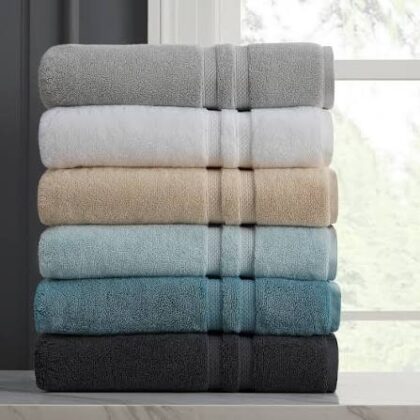
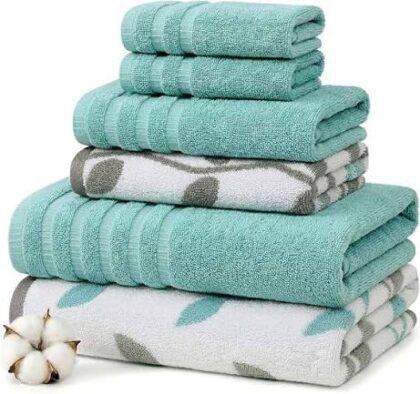
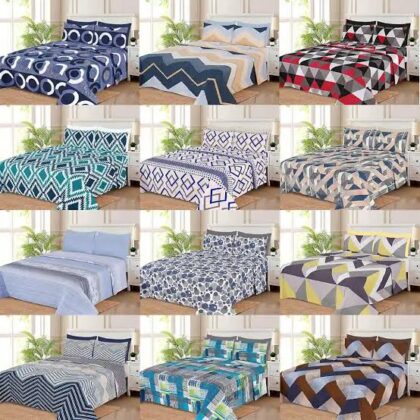
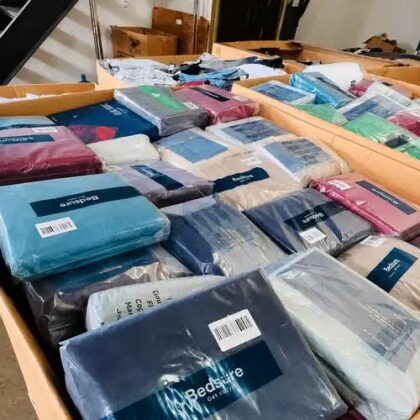
General merchandise can include kitchenware, storage products, bedding, home décor, cleaning accessories, furniture, and everyday household items.
This category may appeal to discount stores and resellers who serve customers looking for practical products at competitive prices.
Clothing and Fashion
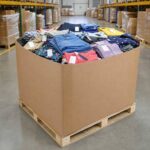
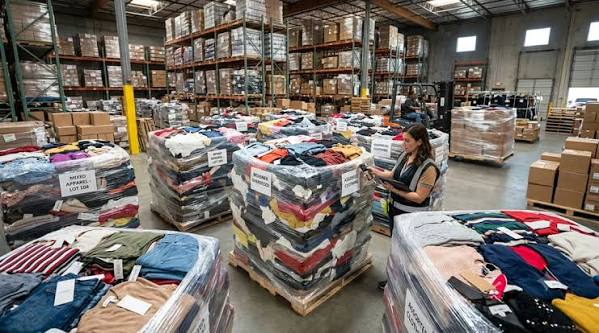
Wholesale clothing inventory may include men’s, women’s, and children’s apparel, footwear, handbags, and fashion accessories.
Seasonality, sizing, current trends, and local customer preferences can influence how quickly these products sell.
Toys, Sports and Outdoor Products
Toys, games, fitness accessories, sporting goods, bicycles, and outdoor equipment can provide additional product opportunities for retailers and online sellers.
Buyers should consider seasonal demand, product safety requirements, and the condition of individual items.
How to Buy in Bulk for Resale
Buying wholesale or liquidation inventory should be approached as a business decision rather than an impulse purchase.
Here is a practical process to follow.
Step 1: Decide What You Want to Sell
Start by identifying your preferred product category.
Consider what customers in your market are already buying. Research competing retailers, online marketplaces, local selling groups, and product trends.
It is often easier to manage inventory when you understand the products you are purchasing.
Step 2: Identify Your Target Customers
Before purchasing merchandise, decide who you intend to sell to.
Your customers might include households, small businesses, contractors, students, bargain hunters, or online shoppers.
Understanding your audience helps you choose products, set prices, and decide where to sell.
Step 3: Find a Wholesale or Liquidation Supplier
Research suppliers that offer the types of merchandise you need.
Look at their business information, inventory descriptions, available photographs, purchasing requirements, payment methods, and shipping arrangements.
Do not rely only on advertised retail values or claims of large discounts. Verify the actual products and terms of the transaction.
Step 4: Compare the Total Cost
A bulk purchase involves more than the merchandise price.
For a realistic buying calculation, include:
- Purchase price
- Shipping or transportation
- Applicable taxes
- Loading and unloading
- Storage costs
- Sorting and testing
- Repairs or cleaning
- Selling and marketplace fees
These expenses affect your actual cost per item.
Step 5: Start With a Manageable Purchase
If you are new to wholesale or liquidation, consider beginning with an amount of inventory you can comfortably afford to manage.
A large purchase may look attractive, but it can create unnecessary pressure if you do not have enough space, capital, or customers to sell the merchandise.
Starting at a manageable scale gives you an opportunity to learn how products perform in your market.
Step 6: Organize Your Inventory
After receiving your merchandise, sort products into categories.
For liquidation purchases, inspect items, identify missing accessories, check functionality where appropriate, and separate damaged or incomplete merchandise.
Good inventory records make it easier to track costs, sales, and remaining stock.
Step 7: Choose Your Resale Channels
There are several ways to sell bulk-purchased merchandise.
You may choose:
- A physical retail store
- An online store
- Online marketplaces
- Social media selling
- Local markets and community sales
- Business-to-business resale
You do not need to use every channel. Choose the ones that fit your products and customer base.
How to Calculate Your Resale Price
One of the most important parts of buying in bulk for resale is understanding your actual cost.
Consider this simplified example:
Imagine purchasing a wholesale lot containing 100 products for $1,000.
Your purchase cost per item is $10.
If transportation and other direct acquisition expenses add another $200, your total inventory cost becomes $1,200, or $12 per item.
If you sell each product for $20, the difference between the selling price and the acquisition cost is $8 per item before other operating expenses, taxes, selling fees, and any unsold or defective inventory.
This is why buyers should calculate their total costs rather than relying only on the advertised pallet or wholesale price.
Remember that a projected selling price is not guaranteed revenue. Actual results depend on customer demand and how much inventory you successfully sell.
Common Mistakes to Avoid When Buying Liquidation and Wholesale Inventory
Even experienced resellers can make purchasing mistakes. Being aware of common problems can help you protect your business.
Buying Without Research: A low purchase price does not automatically make inventory a good deal. Research the products and their resale demand.
Ignoring Merchandise Conditions: Customer returns and open-box merchandise can require testing, repairs, or additional work. Understand what you are buying.
Overestimating Resale Prices: Use realistic market prices rather than relying on the original retail value printed on product packaging.
Forgetting Transportation Costs: Heavy, oversized, and bulky pallets can have significant transportation expenses.
Buying More Than You Can Manage: Consider your storage capacity, working capital, and ability to process inventory before committing to a large purchase.
Failing to Track Inventory: Keep records of purchase costs, quantities, sales, returns, and remaining stock. This information helps you understand how your business is performing.
Wholesale and Liquidation Opportunities at City Pallets Wholesale Liquidations
If you are looking for wholesale merchandise and liquidation buying opportunities in Canada, City Pallets Wholesale Liquidations is based in Calgary, Alberta.
We serve retailers, independent resellers, online sellers, discount stores, and businesses interested in purchasing merchandise in bulk.
Our inventory opportunities can include different product categories and purchasing options, depending on current availability.
Whether you are interested in household products, electronics, tools, appliances, general merchandise, or other wholesale inventory, contact our team to discuss available products, quantities, pricing, and purchasing arrangements.
City Pallets Wholesale Liquidations serves customers across Canada, with worldwide shipping options available depending on the destination and arrangements.
Visit City Pallets Wholesale Liquidations to explore our website and learn more about wholesale buying opportunities.
Is Buying Wholesale and Liquidation Inventory Right for Your Business?
Buying in bulk for resale can be a useful inventory strategy for businesses that understand their customers, manage their costs, and choose merchandise carefully.
Wholesale purchasing can help businesses source larger quantities of consistent inventory, while liquidation purchasing may provide access to overstock, customer returns, shelf pulls, and other surplus merchandise.
Both approaches require research and careful planning.
The most important thing is to buy products that make sense for your business, understand their condition, calculate the full acquisition cost, and have a realistic plan for selling them.
If you are ready to explore wholesale and liquidation merchandise, contact City Pallets Wholesale Liquidations in Calgary to discuss available inventory and bulk purchasing opportunities.