
Liquidation Truckloads: A Complete Guide to Buying Wholesale Merchandise by the Truckload
Liquidation Truckloads: A Complete Guide to Buying Wholesale Merchandise by the Truckload
Buying merchandise by the pallet can be a good starting point for a reseller, but businesses looking to purchase larger quantities often consider a different option: liquidation truckloads.
Instead of ordering a few pallets at a time, buyers purchase a much larger shipment of surplus, returned, or overstock merchandise. Depending on the supplier and the type of inventory, a truckload may contain dozens of pallets, multiple product categories, or a large quantity of similar products.
For wholesale distributors, discount retailers, warehouse operators, and experienced resellers, buying liquidation truckloads can provide access to substantial volumes of merchandise in one transaction. It can also require more planning, more storage space, and a larger financial commitment.
If you are searching for liquidation truckloads for sale, comparing truckload liquidation suppliers, or considering your first full truckload purchase, this guide explains what you should know before ordering.
What Are Liquidation Truckloads?
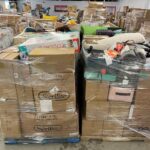
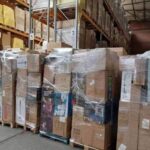
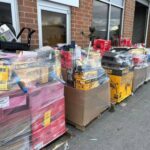
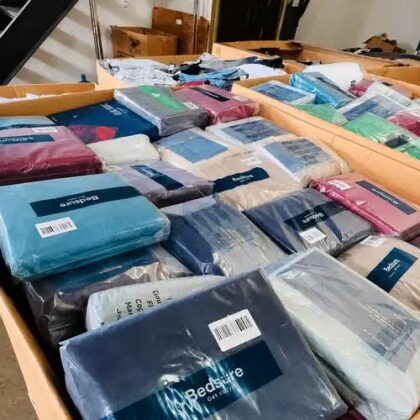
Liquidation truckloads are large shipments of merchandise sold in bulk through liquidation and wholesale channels. They typically contain multiple pallets transported together in a freight truck or trailer.
The merchandise may come from different inventory situations, including:
- Customer returns
- Retail overstock
- Excess warehouse inventory
- Seasonal merchandise
- Store closeouts
- Discontinued products
- Open-box merchandise
- Shelf pulls and surplus stock
The exact contents depend on the supplier, the inventory source, and the specific load being offered.
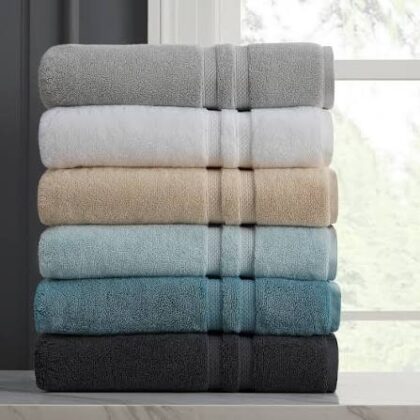
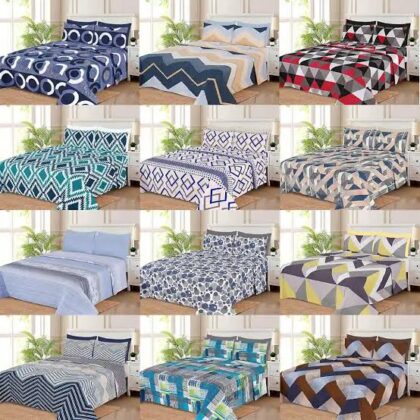
Some liquidation truckloads contain merchandise from one product category, while others include mixed general merchandise. A load might consist mainly of household goods, electronics, clothing, tools, furniture, or a combination of different retail products.
It is important to understand that a truckload does not automatically mean every product is new or ready for resale. Condition can vary considerably, particularly when customer returns are involved.
Why Do Businesses Buy Liquidation Truckloads?
The biggest attraction is volume. Buying a truckload allows a business to receive a substantial quantity of merchandise in a single shipment instead of arranging many separate pallet purchases.
However, volume is only useful when the buyer has a plan for the inventory.
Here are some reasons businesses explore liquidation truckloads.
1. Purchasing larger quantities at once
A business that regularly sells liquidation merchandise may find it more practical to purchase several pallets together. This can reduce the need to place repeated small orders.
Depending on the supplier and freight arrangement, combining merchandise into one shipment may also make transportation more efficient.
2. Stocking a discount retail store
Discount stores need a steady supply of products to keep shelves and displays interesting. Liquidation truckloads may provide a mixture of merchandise that can be sorted and priced for different sections of a store.
For example, a mixed load might include household products, small appliances, accessories, toys, and other general merchandise.
3. Supplying multiple resale channels
A business that sells through several channels may be able to separate a large shipment into smaller groups.
Some products may be suitable for a physical store, others for online marketplaces, and some for wholesale customers. This approach requires organization, but it can make a larger inventory purchase easier to manage.
4. Expanding an existing resale operation
Businesses that already understand liquidation buying may use truckloads to increase the amount of inventory they handle.
A larger shipment can support higher sales volume, but it also increases the amount of money tied up in stock. Buyers should expand according to their actual sales capacity rather than purchasing more merchandise simply because a large load is available.
Types of Liquidation Truckloads Available
Not all liquidation truckloads are alike. Before choosing a load, consider the type of merchandise you want to sell and the condition you are prepared to handle.
General merchandise truckloads
General merchandise truckloads contain products from multiple retail categories. Depending on the inventory, they may include household goods, toys, accessories, small electronics, kitchen products, personal care items, and other consumer merchandise.
These loads may suit businesses that sell a wide variety of products rather than specializing in one category.
Customer return truckloads
Customer return truckloads contain products that have been returned by customers. The reason for a return can vary. Some items may be unopened, while others may have been used, damaged, or returned with missing parts.
Buyers should understand whether the merchandise has been inspected, tested, sorted, or sold in its received condition.
Customer return truckloads can require more work after delivery because products may need to be checked individually before resale.
Overstock truckloads
Overstock truckloads generally contain surplus merchandise that exceeds a retailer’s current inventory needs.
Depending on the source, these products may be new, although packaging and storage conditions can vary. Overstock merchandise can appeal to retailers looking for products that do not require the same level of inspection as mixed customer returns.
Always confirm the actual condition and description of the load.
Electronics truckloads
Electronics truckloads may include consumer devices, computer accessories, audio products, small appliances, and other electronic merchandise.
This category requires careful evaluation. Testing, missing accessories, model numbers, compatibility, and product functionality can all affect resale value.
A buyer should never calculate the value of an electronics load by assuming every product is fully functional.
Home and kitchen truckloads
Home and kitchen liquidation truckloads may include cookware, kitchen accessories, storage products, household organizers, décor, small appliances, and everyday home essentials.
These categories can be suitable for discount retailers and resellers who already have customers shopping for household products.
Tools and hardware truckloads
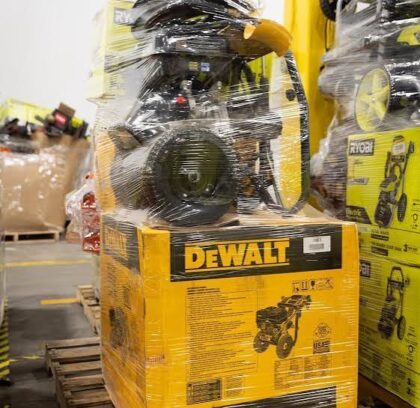
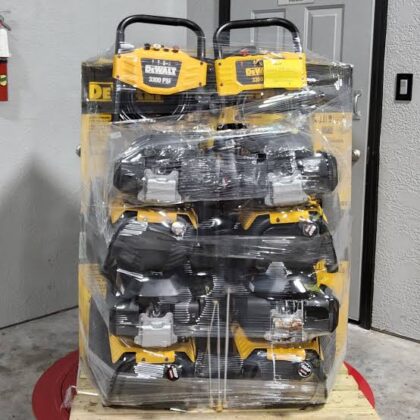
Depending on availability, tools and hardware loads may contain hand tools, power tools, accessories, hardware supplies, and related products.
Buyers should check brand information, quantities, model numbers, and condition descriptions before making a purchase.
Clothing and footwear truckloads
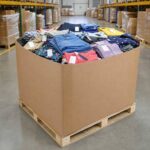
Apparel truckloads may include clothing, shoes, bags, and fashion accessories. Merchandise can vary by size, season, style, and condition.
Before ordering, consider whether your business can sort and sell a large assortment of different sizes and product types.
Liquidation Truckloads vs. Liquidation Pallets: What’s the Difference?
Both options involve purchasing bulk merchandise, but they are designed for different buying situations.
| Buying factor | Liquidation pallets | Liquidation truckloads |
|---|---|---|
| Purchase quantity | Usually smaller | Usually much larger |
| Initial investment | Generally lower | Generally higher |
| Storage requirements | Less space needed | Significant space may be needed |
| Freight planning | Often simpler | Requires careful freight coordination |
| Inventory handling | Easier to manage in smaller batches | Requires more staff and organization |
| Best suited for | Newer and smaller buyers, depending on the lot | Businesses with larger buying and resale capacity |
A pallet purchase can help a business learn how liquidation merchandise works without committing to a full truckload.
By contrast, liquidation truckloads are generally more appropriate when a buyer has sufficient capital, storage, unloading arrangements, and established sales channels.
There is no reason to rush into a truckload purchase if a smaller order is a better fit for the business.
How Many Pallets Are in a Liquidation Truckload?
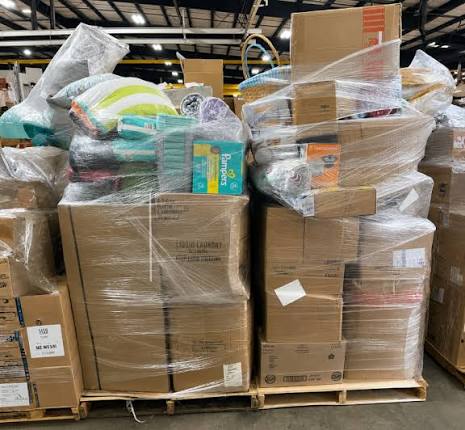
The number of pallets in a truckload depends on the trailer, pallet dimensions, loading method, weight restrictions, and the way the merchandise is prepared for transportation.
For example, a standard 53-foot dry van may accommodate approximately 26 standard 48-by-40-inch pallets in a typical single-level loading arrangement. Actual capacity can differ depending on the load and freight configuration.
Some shipments are floor-loaded rather than palletized, while others may contain oversized or irregular merchandise.
This is why buyers should not assume that every liquidation truckload contains a fixed number of pallets.
Before ordering, ask the supplier:
- How many pallets or units are included?
- What type of trailer will be used?
- Is the merchandise palletized or floor-loaded?
- What are the approximate shipment dimensions and weight?
- Is the load arranged for standard forklift unloading?
- Are there special receiving requirements?
Getting these details in advance makes it easier to prepare your warehouse and arrange transportation.
How Much Do Liquidation Truckloads Cost?
There is no standard price for liquidation truckloads. The cost depends on the merchandise category, quantity, condition, inventory source, supplier, and transportation arrangements.
A truckload of new overstock merchandise may be priced very differently from a load of mixed customer returns or salvage inventory.
When comparing liquidation truckloads for sale, look at the complete cost rather than focusing only on the advertised purchase price.
Your total expenses may include:
- Merchandise purchase price
- Freight and transportation
- Loading or unloading charges
- Applicable taxes
- Customs duties and import fees, if applicable
- Warehouse receiving costs
- Labour for sorting and inspection
- Storage expenses
- Repairs, testing, or missing components
- Packaging and resale expenses
For international purchases, buyers should also clarify who handles export documentation, customs clearance, and any destination-specific requirements.
A truckload that looks inexpensive on paper may become considerably more expensive once all transportation and handling costs are included.
How to Find Liquidation Truckloads for Sale
Finding a supplier is one of the most important parts of the buying process. There are several ways to explore liquidation truckloads.
1. Direct liquidation suppliers
Some liquidation companies specialize in bulk merchandise and offer multiple pallets or full truckloads. They may sell general merchandise, customer returns, overstock, or category-specific inventory.
Contact the supplier and ask what types of loads are currently available. Request a written description, photographs, and any available inventory documentation.
2. Retail liquidation marketplaces
Online liquidation marketplaces connect sellers with qualified business buyers. Some operate through auctions, while others offer fixed-price inventory.
For example, B-Stock operates liquidation marketplaces for different retailers and brands. Buyers can review listings, check eligibility requirements, and examine shipping terms.
Not every marketplace accepts buyers from every country. If you are purchasing from Canada or arranging an international shipment, check registration and delivery restrictions before bidding.
3. Wholesale distributors
Some wholesale distributors offer large-volume merchandise purchases outside traditional retail liquidation auctions. Their inventory may include closeouts, surplus products, overstock, and other bulk merchandise.
Ask whether the products are sold by the pallet, by the truckload, or through custom bulk orders.
4. Canadian liquidation warehouses
Canadian buyers may prefer to work with a supplier that already operates in Canada. This can make communication, payment, freight coordination, and receiving arrangements easier.
City Pallets Wholesale Liquidations is based in Calgary, Alberta, and serves customers across Canada. Buyers interested in larger quantities of liquidation merchandise can contact the team to ask about current availability and bulk purchasing arrangements.
Visit City Pallets Wholesale Liquidations to make an inquiry.
What to Check Before Buying a Liquidation Truckload
A truckload purchase deserves more attention than a small merchandise order. You are committing to a larger quantity of products, and any misunderstanding about the inventory can have a significant effect on your business.
Use the following checklist before confirming a purchase.
Confirm the inventory source
Ask where the merchandise came from and whether the supplier is selling directly or reselling inventory purchased from another company.
If a seller advertises products from a particular retailer or brand, request reasonable supporting documentation. Do not assume that a retailer’s name in a listing proves a direct relationship.
Request a manifest
A manifest is an inventory document that may list products, quantities, item descriptions, and identifiers.
Not every liquidation truckload comes with a complete manifest. Some loads are sold as unmanifested or mixed merchandise.
If a manifest is available, check whether the quantities are guaranteed or estimated and whether the actual load may differ.
Understand the condition
Ask whether the merchandise is new overstock, customer returns, open-box, used, salvage, or mixed condition.
If the load includes customer returns, find out whether the products have been inspected or tested.
Review photographs and descriptions
Photographs should help you understand what is being sold. Ask whether the images show the actual load or are examples of similar merchandise.
If a supplier cannot provide actual photographs, make sure the written description is sufficiently detailed for you to understand the purchase.
Confirm freight and delivery details
Find out who arranges transportation, whether freight is included, and what equipment is needed to unload the shipment.
A full truckload may require a loading dock, forklift, suitable receiving area, and enough staff to unload safely.
Review payment and return terms
Understand the supplier’s payment requirements, cancellation rules, claims process, and return policy before sending money.
Many liquidation transactions are sold as-is, but the exact terms depend on the supplier and the purchase agreement. Never assume a return or refund is available without reading the written terms.
Is Buying Liquidation Truckloads Profitable?
It can be a business opportunity, but there is no guaranteed return.
The outcome depends on the merchandise, its condition, the total landed cost, customer demand, and how efficiently the buyer can process and sell the products.
A large shipment may look attractive because it contains a high estimated retail value. However, retail value is not the same as resale revenue.
Consider the following when estimating your potential results:
- How many products are likely to be suitable for resale?
- What are realistic selling prices in your market?
- How much will freight and handling cost?
- How long might it take to sell the inventory?
- Will products need testing, cleaning, or repairs?
- How much space will unsold merchandise occupy?
- What will you spend on labour, packaging, and selling fees?
For a new reseller, it may be more sensible to start with a smaller pallet order and learn how to evaluate liquidation merchandise before purchasing a full truckload.
Experienced buyers may already have the warehouse space, employees, customers, and sales channels needed to handle larger shipments.
The right purchase size is the one your business can manage.
Receiving and Managing a Liquidation Truckload
Once the truck arrives, the work is not finished. A large shipment needs an organized receiving process.
Before delivery, prepare a suitable unloading area and confirm the arrival time with the carrier. Make sure the people and equipment needed for unloading are available.
When the merchandise arrives:
- Compare the shipment with the bill of lading and available inventory documents.
- Check the visible condition of the shipment before signing, where permitted.
- Photograph visible damage to the trailer, pallets, packaging, or merchandise.
- Record any shortages or discrepancies according to the carrier’s and supplier’s procedures.
- Separate products by category and condition.
- Test or inspect products where necessary.
- Record inventory so that products can be tracked through storage and resale.
Keep photographs and written records of any shipping damage or discrepancies. Report problems promptly and follow the claim deadlines in the applicable shipping and purchase agreements.
Good receiving procedures can save considerable time when handling future truckloads.
Who Should Buy Liquidation Truckloads?
Liquidation truckloads are not suitable for every buyer. They generally make more sense for businesses that can handle larger quantities and have a clear plan for selling the products.
Potential buyers include:
Discount retail stores: Businesses that sell affordable merchandise across several product categories.
Online resellers: Sellers who have established marketplaces, websites, or customer lists.
Wholesale distributors: Businesses that purchase in volume and resell smaller quantities to other retailers.
Warehouse operators: Companies with the space and equipment to receive, sort, and store bulk inventory.
Experienced liquidation buyers: Resellers who understand product conditions, freight costs, and the work involved in processing customer returns.
If you are just starting out, consider whether a smaller pallet purchase would provide a more manageable introduction to liquidation buying.
Liquidation Truckloads in Canada: What Buyers Should Know
Canadian businesses looking for liquidation truckloads should consider the location of the merchandise before ordering.
A load located in another province may involve different freight costs from one already available nearby. A shipment coming from the United States or another country may also involve customs procedures, import duties, taxes, and additional documentation.
Before purchasing an international load, clarify:
- The country where the merchandise is located
- The seller’s delivery terms
- Who is responsible for export and import documentation
- The expected freight charges
- Applicable taxes and duties
- Who handles customs clearance
- What happens if the shipment is delayed or damaged
For buyers in Alberta and other Canadian provinces, working with a Canadian liquidation supplier may simplify some of these arrangements.
City Pallets Wholesale Liquidations, located in Calgary, Alberta, serves customers across Canada. Contact the team to discuss current wholesale and liquidation merchandise opportunities, larger-volume orders, and available shipping arrangements.
Worldwide shipping options may also be available depending on the destination and the arrangements required.
Frequently Asked Questions About Liquidation Truckloads
What are liquidation truckloads?
Liquidation truckloads are large shipments of surplus, returned, overstock, or other liquidation merchandise transported together in a freight truck. They may contain multiple pallets or floor-loaded products, depending on the supplier.
How many pallets come in a liquidation truckload?
The number varies with trailer size, pallet dimensions, loading configuration, shipment weight, and merchandise type. A standard 53-foot trailer may accommodate approximately 26 standard 48-by-40-inch pallets in a typical single-level arrangement, but actual capacity can differ.
Where can I buy liquidation truckloads?
You can explore direct liquidation suppliers, wholesale distributors, online liquidation marketplaces, and Canadian liquidation warehouses. Always confirm inventory details, buyer eligibility, and freight arrangements before ordering.
Are liquidation truckloads new or customer returns?
They can be either, depending on the listing. Some loads contain new overstock, while others contain customer returns, open-box products, used merchandise, or mixed conditions. Check the specific lot description.
Are liquidation truckloads better than buying pallets?
That depends on your business. Pallets generally require less storage space and a smaller initial investment. Truckloads provide much larger quantities but require more capital, transportation planning, unloading capacity, and inventory management.
Can I buy liquidation truckloads in Canada?
Yes, Canadian businesses can explore bulk liquidation inventory through suppliers and marketplaces that accept Canadian buyers. Confirm the location of the merchandise, shipping arrangements, and any import requirements if the shipment is coming from outside Canada.
Can I make money buying liquidation truckloads?
Reselling liquidation merchandise may generate revenue, but profit is not guaranteed. The outcome depends on the products received, condition, purchase price, transportation, labour, selling costs, and market demand.
Does City Pallets Wholesale Liquidations offer truckloads?
Contact City Pallets Wholesale Liquidations to ask about current inventory, bulk quantities, and truckload purchasing arrangements. Availability and order options should be confirmed directly with the team.
Final Thoughts: Finding the Right Liquidation Truckloads for Your Business
Buying liquidation truckloads can be a way to increase inventory volume, supply a discount store, or expand an established resale operation. But a larger shipment also brings greater responsibility.
Before placing an order, understand the merchandise source, condition, quantity, freight arrangements, and total cost. Make sure you have enough space, equipment, and sales capacity to handle the products once they arrive.
Whether you are comparing liquidation truckloads for sale, researching truckload liquidation suppliers, or planning your next bulk merchandise purchase, take the time to evaluate the actual deal rather than relying only on advertised retail value.
For wholesale and liquidation merchandise opportunities in Canada, visit City Pallets Wholesale Liquidations. Contact the Calgary-based team to ask about current availability, bulk orders, pricing, and shipping options.