
How to Buy Pallets: A Wholesale Buyer’s Guide
How to Buy Pallets: A Wholesale Buyer’s Guide
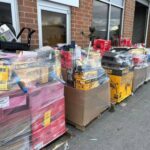
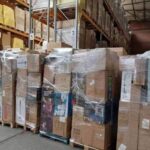
If you want to start a resale business, expand your store, or find products at wholesale prices, learning how to buy pallets is a practical place to start. Liquidation pallets can contain tools, electronics, clothing, cosmetics, home goods, customer returns, and overstock merchandise. Depending on the supplier and the lot, you may find individual products to resell or larger quantities suitable for a retail business.
But buying pallets is not simply about finding the lowest advertised price. You need to understand product condition, shipping costs, inventory manifests, supplier policies, and the potential demand for the goods.
At City Pallets Wholesale Liquidations, we help buyers explore wholesale liquidation opportunities, with service across Canada and worldwide shipping. This guide explains how pallet purchasing works, where to look for inventory, and what to check before placing an order.
1. Understand What You’re Buying
Before you decide how to buy pallets, learn the difference between the main types of liquidation inventory. The description can tell you a lot about what to expect, although the exact contents depend on the seller and the individual lot.
Common pallet categories include:
- Overstock pallets: Products that retailers or distributors have in excess of current demand.
- Customer return pallets: Items returned by customers, which may be unopened, used, damaged, incomplete, or in mixed condition.
- Shelf-pull merchandise: Products removed from retail shelves, sometimes because of packaging changes or seasonal turnover.
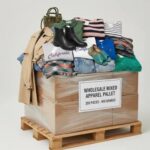
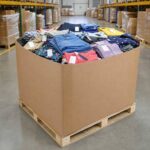
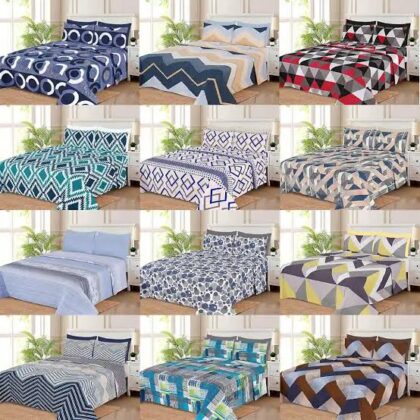
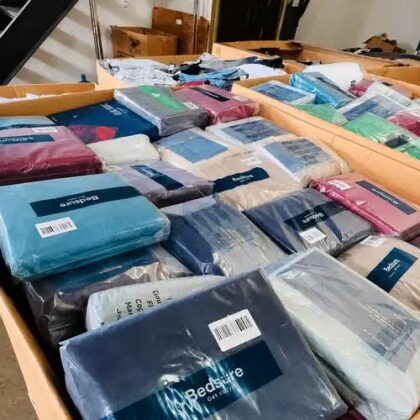
- Mixed merchandise pallets: A combination of product categories, potentially including household goods, electronics, tools, clothing, and accessories.
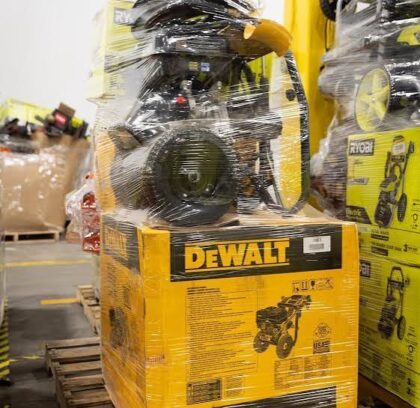
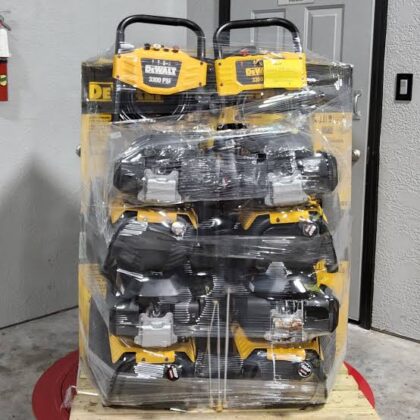
- Home improvement pallets: Inventory that may include power tools, hardware, lighting, plumbing supplies, fixtures, and other renovation-related products.
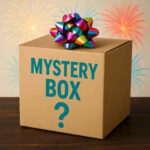
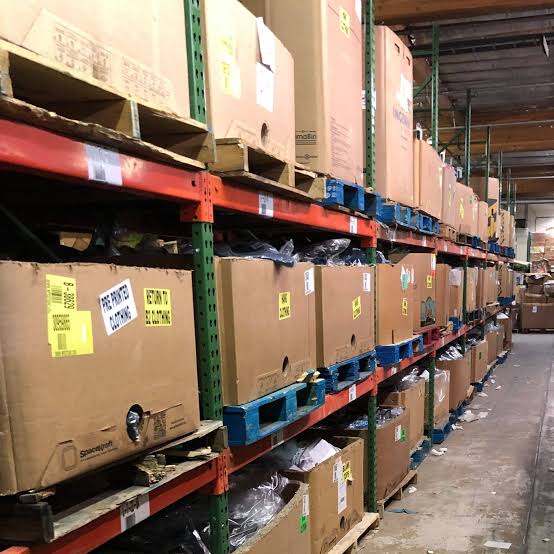
- Unmanifested or mystery pallets: Lots with limited information about the specific products included.
Always read the listing carefully. A pallet described as new overstock should not be treated the same as a customer-return lot or a salvage pallet. If a manifest is available, review it before buying.
2. Decide Which Pallets Fit Your Business
The best pallet for you depends on what you sell, who your customers are, and how much time you can spend processing inventory.
For example, a tool reseller might focus on power tools and home improvement products, while an online seller may prefer smaller electronics or household accessories that are easier to list and ship. A flea market vendor might find mixed merchandise useful because it offers a variety of products to display.
Before buying, ask yourself:
- Do I already have customers for this type of merchandise?
- Can I test, clean, sort, or repair the products if necessary?
- Do I have enough storage space?
- Can I sell the items locally, online, or through more than one channel?
- Does the expected resale value justify the purchase and handling costs?
It is usually sensible to start with a manageable lot rather than committing to a large truckload before you understand the category. As you gain experience, you can compare larger orders and more specialized inventory.
3. Where to Buy Pallets
If you’re researching where to buy pallets, consider established liquidation suppliers, wholesale distributors, liquidation auction platforms, and businesses that publish clear product listings.
Look for sellers that provide useful information about product condition, quantity, shipping arrangements, payment terms, and return policies. Check whether the seller offers a manifest, photographs of the actual lot, or a clear description of the assortment.
You can also explore pallet returns for sale if you are comfortable evaluating customer-return merchandise. However, returns can vary significantly in condition. Some items may be resalable immediately, while others may require testing, cleaning, missing-part checks, or disposal.
Explore wholesale inventory with City Pallets Wholesale Liquidations
City Pallets Wholesale Liquidations offers wholesale liquidation opportunities for resellers, retailers, and other businesses. Buyers can explore available categories such as tools, electronics, cosmetics, and general merchandise, depending on current inventory.
We serve customers across Canada and ship worldwide. Shipping availability, costs, transit times, and any import requirements depend on the destination and the order. Review the current product listing and contact our team if you need clarification about a particular pallet before purchasing.
Start by browsing our website and available inventory. You can also learn more about our business on our About Us page.
4. How to Buy Pallets Near Me
Searching online for where to buy pallets near me can help you discover local liquidation warehouses, auction businesses, and wholesale suppliers. Buying locally may give you an opportunity to inspect merchandise or arrange pickup, but local availability is not always guaranteed.
When comparing nearby suppliers, check:
- Whether warehouse visits or inspections are permitted.
- Whether the displayed products represent the actual pallet or a sample assortment.
- Whether pickup appointments are required.
- Whether loading assistance is included or costs extra.
- Whether delivery is available to your business address.
- Whether the supplier provides written order and payment terms.
Remember that the closest seller is not necessarily the best value. Compare the total cost of purchasing and receiving the pallet, not just the advertised price.
If a suitable supplier is not nearby, ask about shipping. City Pallets Wholesale Liquidations serves buyers across Canada and offers worldwide shipping, so you can explore available inventory even if you are not close to a warehouse. Confirm the shipping quote and delivery arrangements for your location before completing your order.
5. Look at Home Improvement Auctions
If you sell hardware, renovation supplies, or power tools, home improvement auctions may be worth researching. These auctions can feature merchandise such as tools, fixtures, lighting, plumbing products, hardware, and other home improvement inventory.
Auction listings differ, so review the details before bidding. Some lots are sold by individual item, while others are offered in pallets or larger bulk quantities. The stated condition and available documentation may also vary.
Before participating, check:
- The lot description: Confirm the product categories, quantities, and condition.
- The bidding terms: Understand buyer premiums, deposits, payment deadlines, and cancellation rules.
- The pickup or delivery arrangements: Some auctions require collection within a specific period.
- The total cost: Include the winning bid, fees, taxes, transport, and any required handling.
- The seller’s policies: Find out what happens if the listing is materially inaccurate or an order cannot be fulfilled.
Do not assume every home improvement auction contains brand-new products or that a particular brand will be included unless the listing confirms it. When buying for resale, accurate information is more valuable than an exciting headline.
6. Calculate the Full Cost Before You Buy
One of the most important parts of learning how to buy pallets is understanding the total cost of the inventory. A low purchase price may look attractive, but shipping, fees, labour, and unsellable products can change the economics of a deal.
Consider these costs:
- Pallet or lot purchase price.
- Shipping, freight, or pickup expenses.
- Auction fees and applicable taxes.
- Storage and handling.
- Testing, cleaning, repairs, or replacement parts.
- Packaging and shipping to your own customers.
- Marketplace fees and payment processing.
- Products that cannot be sold or must be discounted.
For example, suppose a pallet costs $800 and freight and other direct acquisition expenses total $200. Your initial landed cost is $1,000 before any additional processing or resale expenses.
If the pallet contains 100 items, that works out to an average acquisition cost of $10 per item. However, this average does not mean every item will cost the same to prepare or sell. Some products may be more valuable, and others may be damaged, incomplete, or unsuitable for resale.
Estimate realistic selling prices using comparable products and current demand. Avoid basing your decision solely on a supplier’s estimated retail value. Retail value is not the same as the amount you are likely to receive from a buyer.
7. Review the Manifest and Condition Details
A manifest, when available, can help you evaluate a pallet before ordering. It may include product descriptions, quantities, model numbers, condition notes, or estimated retail values. The level of detail varies by supplier and lot.
Use the available information to identify products that match your sales channels and customer demand. If you plan to resell electronics or power tools, for instance, ask whether batteries, chargers, accessories, or other components are included when those details are important.
For unmanifested lots, make your decision based on the uncertainty described in the listing. Do not assume the pallet contains particular products, brands, quantities, or working items unless the seller confirms those details.
At City Pallets Wholesale Liquidations, review the information provided for the specific product you want to buy. If a detail could affect your purchasing decision, ask about it before placing the order.
8. Arrange Shipping and Prepare for Delivery
Shipping is a key consideration when buying wholesale pallets, especially for larger orders or deliveries across long distances. Confirm the destination address, freight cost, estimated delivery schedule, unloading requirements, and whether the carrier can access your location.
Commercial freight deliveries may require a suitable loading area or equipment to unload the shipment. Residential deliveries may have different service options or additional fees.
For international orders, check whether import duties, taxes, customs clearance, or other destination charges apply. These costs may be separate from the shipping price. Delivery schedules can also be affected by customs procedures, remote destinations, weather, or carrier delays.
City Pallets Wholesale Liquidations serves customers throughout Canada and ships worldwide. Contact us to confirm the arrangements for your destination and order before paying, particularly if you are purchasing a large shipment.
9. Common Mistakes to Avoid
New pallet buyers can reduce unnecessary risk by avoiding a few common mistakes:
- Choosing only by price: A cheap pallet may contain products that are difficult to resell.
- Ignoring the condition: New overstock, customer returns, and salvage merchandise are different categories.
- Assuming specific brands are included: Only rely on brand claims supported by the product listing or manifest.
- Forgetting shipping and fees: Calculate the full cost before comparing offers.
- Overestimating resale prices: Research actual comparable listings and consider selling fees.
- Buying more than you can handle: Storage, sorting, testing, and listing inventory all take time.
- Skipping supplier policies: Read payment, shipping, cancellation, and return terms before ordering.
A careful first purchase can teach you which categories suit your business and help you build a more consistent sourcing process.
Frequently Asked Questions
How do I buy pallets for resale?
Choose a product category, compare liquidation suppliers, review the condition and available manifest, calculate the full cost, and confirm shipping and payment terms. Start with a lot that matches your budget and selling experience.
Where can I buy wholesale pallets in Canada?
You can research liquidation suppliers, wholesale distributors, auction platforms, and businesses that sell overstock or customer-return inventory. City Pallets Wholesale Liquidations serves buyers across Canada and offers worldwide shipping. Check current listings and confirm availability for your destination.
Are pallet returns for sale worth buying?
They can be suitable for resellers who understand the product category and can evaluate mixed conditions. Returns may contain unopened, used, damaged, or incomplete items, so review the listing and account for possible losses.
Can I buy pallets from home improvement auctions?
Yes, some auctions offer home improvement products in bulk lots or pallets. Read each auction’s description, fees, condition notes, pickup requirements, and delivery terms before bidding.
Does City Pallets Wholesale Liquidations ship internationally?
City Pallets Wholesale Liquidations serves customers throughout Canada and ships worldwide. Availability, freight costs, customs requirements, and delivery schedules depend on the destination and order. Contact the business to confirm the details for your location.
Final Thoughts: Learn How to Buy Pallets with Confidence
Learning how to buy pallets starts with choosing suitable inventory, comparing suppliers, reviewing product details, and calculating your full costs. Whether you are looking for mixed merchandise, tools, electronics, or other liquidation opportunities, careful research helps you make more informed purchasing decisions.
If you’re ready to explore wholesale inventory, visit City Pallets Wholesale Liquidations to review available products and purchasing information. We serve customers across Canada and ship worldwide, helping resellers and businesses explore liquidation opportunities from a range of locations.
Browse the available inventory, check the details of each lot, and contact our team if you need help confirming product or shipping information before placing an order.