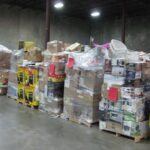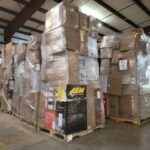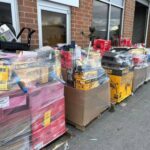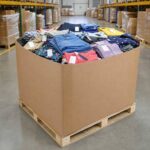

From Warehouse to Buyer: Ensuring the Authenticity of Liquidation Pallets
From Warehouse to Buyer: Ensuring the Authenticity of Liquidation Pallets
Buying liquidation pallets can be an exciting opportunity for resellers, small businesses, online sellers, and bargain hunters. Pallets may contain power tools, electronics, cosmetics, perfumes, household goods, and many other products at wholesale prices. However, one question deserves careful attention before any purchase: how can you verify the Authenticity of Liquidation Pallets?
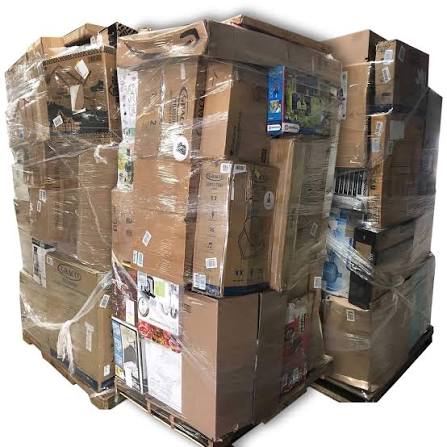
Authenticity matters because not every product sold through liquidation channels is necessarily genuine, correctly described, complete, or suitable for resale. A pallet may contain legitimate branded merchandise, unbranded goods, refurbished items, customer returns, overstock, or products with damaged packaging. The challenge is knowing what you are buying and whether the seller’s claims match the inventory.
At City Pallets Wholesale Liquidations, we understand that buyers need to make informed decisions when sourcing liquidation inventory. Whether you are purchasing your first pallet or expanding an established resale business, learning how to assess the Authenticity of Liquidation Pallets can help you reduce risk, evaluate suppliers, and plan your purchases more carefully.
This guide explains how to examine product details, assess suppliers, recognize warning signs, and approach liquidation buying with greater confidence. City Pallets Wholesale Liquidations serves customers across Canada and ships worldwide, giving buyers access to wholesale liquidation opportunities while emphasizing the importance of checking each product listing and its terms.
What Does Authenticity of Liquidation Pallets Mean?
The Authenticity of Liquidation Pallets refers to whether the merchandise is genuine, whether its stated identity and condition are accurate, and whether the seller’s description is supported by available information.
Authenticity is not the same as product condition. A genuine product may be used, damaged, incomplete, refurbished, or sold in an opened box. Conversely, an item that looks new and has attractive packaging may still require further verification before you can confidently identify it as authentic.
Before buying, consider three separate questions:
- Is the product genuine? Does the brand, model, label, serial number, or other identifying information match reliable product information?
- Is the description accurate? Does the listing correctly state the item’s condition, quantity, packaging, and included accessories?
- Is the inventory suitable for resale? Can the product be safely and legally sold in your intended market, and can you describe it honestly to your customers?
Understanding these differences is the first step toward checking the Authenticity of Liquidation Pallets rather than relying only on a low price or an appealing product photo.
Why the Authenticity of Liquidation Pallets Matters
Protecting Your Investment
Liquidation buying often involves purchasing several items together, sometimes without inspecting every product individually before the sale. If a pallet contains counterfeit merchandise, missing components, or products that do not match the listing, your expected resale value can change significantly.
A low purchase price does not automatically mean a good deal. Buyers should consider shipping, handling, testing, cleaning, repairs, marketplace fees, and unsellable inventory before calculating potential returns.
Verifying the Authenticity of Liquidation Pallets helps you make a more realistic purchasing decision. It cannot eliminate every risk, but it can reveal questions that should be answered before you commit your budget.
Maintaining Customer Trust
Resellers depend on accurate product descriptions and repeat customers. Selling a product as genuine, new, or complete when those details have not been verified can lead to complaints, returns, disputes, and reputational damage.
A better approach is to describe each item according to what you can confirm. If an item’s origin or brand authenticity remains uncertain, do not present it as verified genuine merchandise. Hold it back from sale until you have investigated the issue or determined an appropriate, lawful course of action.
Meeting Product Safety Requirements
Authenticity and safety overlap, but they are not identical. A genuine product may still be recalled or unsafe to use, while a counterfeit product may fail to meet applicable requirements.
Health Canada advises online shoppers to check product details, identify the condition of items, compare suspicious offers with manufacturer information, and search the recalls and safety alerts database. Read the official guidance here: Health Canada: Online Shopping and Product Safety.
For liquidation resellers, this means checking both whether products appear genuine and whether they are appropriate to sell.
How to Verify the Authenticity of Liquidation Pallets
1. Research the Liquidation Supplier
The supplier is an important starting point. Before placing an order, review the company’s website, contact information, product descriptions, purchasing terms, shipping arrangements, and available customer feedback.
Ask questions if the supplier’s information is unclear. A professional seller should be able to explain what a listing represents and clarify important details about the sale.
Useful questions include:
- Is this a pallet of overstock, customer returns, shelf pulls, refurbished items, or mixed merchandise?
- Is a product manifest available?
- Are brands and model numbers confirmed or only examples of possible contents?
- Are items inspected or tested before shipment?
- What happens if the delivered inventory materially differs from the listing?
- What are the applicable shipping, refund, and dispute policies?
These questions help establish what the seller is actually promising. They also make it easier to compare suppliers on more than price alone.
The Government of Canada’s Online Shopping guide recommends checking a vendor’s contact information, sales and return policies, product details, and total costs before purchasing.
2. Examine the Manifest and Product Description
A manifest is a list of items believed or confirmed to be included in a pallet. When available, it may identify product names, quantities, model numbers, condition categories, or other details.
However, not every liquidation pallet comes with a complete manifest. Some lots are sold as mixed or unmanifested inventory, meaning the exact contents may not be known in advance.
Read the listing carefully and distinguish between confirmed contents and illustrative examples. If a listing says a pallet may include certain brands, that does not guarantee those brands will appear in your shipment.
For stronger verification, look for specific identifiers such as model numbers, manufacturer product codes, barcodes, or serial numbers where appropriate. Compare them with reliable manufacturer information when possible.
A manifest can help assess the Authenticity of Liquidation Pallets, but it is not independent proof that every item is genuine. It should be treated as one part of the verification process.
3. Inspect Labels, Packaging, and Product Identifiers
Packaging can provide useful clues, particularly when you can compare it with official product information. Look for inconsistencies in spelling, printing quality, logos, product names, warning labels, and model numbers.
Pay attention to signs such as:
- Labels that conflict with the product’s model or specifications.
- Serial numbers or identifying codes that appear altered or removed.
- Packaging that makes claims not supported by the manufacturer’s product information.
- Missing instructions, safety warnings, or required product details.
- Major differences between the advertised item and the product shown on the manufacturer’s official website.
No single packaging issue proves a product is counterfeit. Liquidation inventory can legitimately have damaged, replaced, or missing packaging. The goal is to identify discrepancies that require further investigation.
When a product appears suspicious, contact the brand or an authorized support channel to ask whether the identifying information can be checked. Do not assume a barcode scan or an intact box alone confirms authenticity.
4. Ask for Clear Product Photos and Documentation
Photographs help buyers assess visible condition and identify possible discrepancies. For higher-value pallets, request clear photos of the actual inventory when available, rather than relying entirely on generic promotional images.
Depending on the product and supplier, useful supporting information may include purchase records, supplier invoices, product manifests, inspection notes, model numbers, or other traceability documents.
Documentation varies by liquidation source. A seller may not have the original retail receipt for every item, especially in mixed customer-return or surplus lots. The important point is to understand what records exist and what they actually establish.
For example, an invoice may show that a supplier sold a particular lot, but it does not necessarily authenticate every branded item inside it. Evaluate each document according to its purpose and reliability.
5. Compare Prices With Realistic Market Values
Unusually low prices can be attractive, but they should prompt additional questions. A pallet advertised as containing large quantities of expensive branded merchandise at a fraction of normal market value may have conditions that are not immediately obvious.
The inventory could consist of damaged products, older models, incomplete returns, mixed brands, or goods with uncertain provenance. In some cases, the offer itself may be misleading.
Compare the price with reliable listings for the same models and condition. Include freight, taxes, duties where applicable, testing, repairs, and disposal costs in your calculations.
A realistic price does not prove the Authenticity of Liquidation Pallets, and a low price does not automatically mean fraud. Use pricing as a reason to investigate—not as your only test.
Checking Authenticity Across Different Liquidation Categories
Different product categories require different checks. The same verification process will not work equally well for a perfume bottle, a power tool, and an electronic device.
Power Tools Liquidation
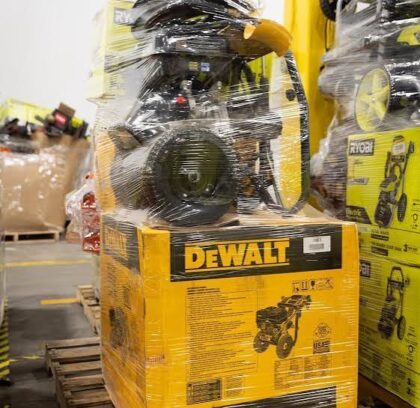
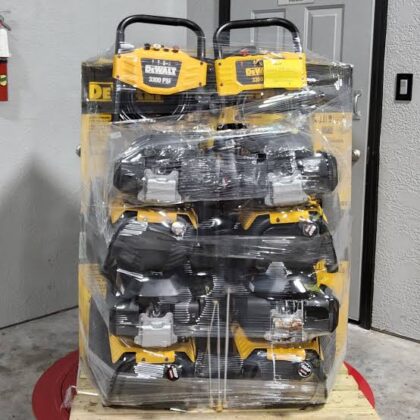
Power tools liquidation can be an attractive inventory category for resellers, contractors, and hardware-focused businesses. However, buyers should verify brand and model details, included accessories, battery compatibility, chargers, and the stated condition.
Inspect visible serial numbers and compare product specifications with manufacturer information where available. Check whether the tools are new, used, refurbished, open-box, or customer returns.
Electrical and battery-powered products also require safety attention. Do not sell tools that have not been adequately assessed when there are signs of electrical damage, unsafe modifications, overheating, or other serious defects. Check relevant recalls and applicable Canadian safety requirements before resale.
Authenticity verification and functional testing are separate tasks: a genuine power tool may not work, and a working tool is not automatically authentic.
Electronics Liquidation
Electronics may include phones, tablets, computers, accessories, televisions, and other devices. Check model numbers, serial numbers, specifications, and physical condition.
Where possible, verify that devices can be activated and used legitimately. For phones and tablets, consider activation locks, account locks, carrier restrictions, and whether the seller has the right to transfer the device.
Test the main functions before reselling, and clearly disclose refurbished or used condition. A device that powers on may still have hidden faults or restrictions.
Perfume and Cosmetics Liquidation
Perfumes, mini perfumes, makeup, and other cosmetics require particular care because packaging and branding alone cannot confirm authenticity.
Look for consistent product names, ingredient information, batch or lot codes where applicable, and appropriate packaging and labelling. Compare the item with trustworthy manufacturer information and investigate suspicious differences.
Do not sell cosmetics or fragrances as genuine when authenticity is uncertain. Also check for leakage, contamination, expiry-related concerns where relevant, recalls, and applicable Canadian requirements.
General Merchandise and Mystery Boxes
Mixed merchandise, liquidation boxes, and mystery boxes may contain different brands and product types. The degree of uncertainty depends on the specific listing.
Read the description carefully to determine whether contents are confirmed, estimated, or intentionally undisclosed. Do not assume that a mystery box will contain a particular brand or high-value item unless the seller explicitly guarantees that detail in the terms.
When evaluating the Authenticity of Liquidation Pallets containing mixed goods, separate items that can be verified from those requiring more research. Keep records of questionable items and avoid making unsupported brand claims in your own resale listings.
Warning Signs to Watch For Before Buying
While no checklist can identify every fraudulent seller, certain warning signs deserve attention:
- The seller refuses to explain what is included in a listed pallet.
- Product photos appear unrelated to the actual inventory or are copied without clear context.
- Brand claims are unusually strong but lack supporting product details.
- The seller pressures you to pay immediately without allowing time for reasonable questions.
- Contact information, shipping terms, or dispute policies are missing or unclear.
- The seller guarantees unusually high resale profits without evidence.
- Payment instructions change unexpectedly or request unusual methods without a clear business explanation.
The Government of Canada’s online shopping guidance warns buyers to look for reliable vendors, clear product information, and understandable sales terms. Review the official consumer guidance before making a substantial purchase.
If several warning signs appear together, pause and investigate. Walking away from an unclear transaction can be a better business decision than risking money on inventory you cannot adequately assess.
How City Pallets Wholesale Liquidations Fits Into Your Sourcing Research
Choosing a liquidation supplier is about finding inventory that suits your business, understanding the terms of the sale, and asking the right questions before ordering.
City Pallets Wholesale Liquidations offers wholesale liquidation opportunities for buyers looking to explore different types of merchandise. Depending on current listings, relevant categories may include power tools liquidation, electronics, perfume pallets, mini perfumes, makeup and cosmetics, mystery boxes, liquidation boxes, and general merchandise.
Buyers should review each individual listing to confirm the products, quantities, condition, and other details currently available. Product categories and pallet contents can vary, so do not assume that every shipment contains the same brands or merchandise.
To make a more informed purchase:
- Visit the City Pallets Wholesale Liquidations website.
- Review the specific listing and its stated condition and contents.
- Ask about manifests, product identifiers, inspection details, or available documentation when these are important to your decision.
- Confirm shipping charges, delivery arrangements, and applicable purchase terms before paying.
- Keep copies of the listing, invoice, and relevant communications for your records.
City Pallets Wholesale Liquidations serves buyers across Canada and ships worldwide. International buyers should also investigate applicable import restrictions, customs duties, taxes, and product requirements in their destination country.
The purpose of these checks is not to assume that all liquidation inventory is questionable. It is to help buyers understand the merchandise and make decisions based on clear information rather than unverified expectations.
What to Do When a Product’s Authenticity Is Uncertain
If you receive a product that appears inconsistent with its description, avoid rushing to resell it.
First, document the item with clear photographs, including its packaging, labels, identifying numbers, and any visible discrepancies. Compare the item with the original listing and keep your invoice and correspondence.
Next, contact the supplier with a concise explanation and supporting evidence. Ask for clarification and follow the applicable order terms and dispute procedures.
If you suspect a product is counterfeit, unsafe, or recalled, separate it from saleable stock while you investigate. Do not make claims about authenticity that you cannot support. For potential safety issues, consult the relevant manufacturer or regulator and check Canada’s Recalls and Safety Alerts database.
Good recordkeeping makes it easier to resolve problems and helps you improve your purchasing process over time.
Building a More Reliable Liquidation Buying Process
The best approach to the Authenticity of Liquidation Pallets is to establish a repeatable process rather than checking products only when something goes wrong.
Create a simple receiving checklist for each shipment. Record the date received, supplier, listing reference, stated contents, observed condition, product identifiers, and any discrepancies. For high-value items, record test results and supporting documentation where available.
You can also group products into three practical categories:
- Verified for resale: Items whose identity, condition, and relevant safety checks have been adequately assessed.
- Needs further inspection: Items requiring functional tests, manufacturer verification, additional documentation, or closer review.
- Hold from sale: Items with unresolved authenticity concerns, serious defects, recall concerns, or other reasons they should not be sold.
This process helps prevent questionable items from accidentally entering your active inventory. It can also reveal which suppliers and product categories consistently meet your business needs.
Start with manageable orders when testing a new supplier, especially if you are unfamiliar with the category. Track actual sell-through, return rates, labour, freight, and other expenses before increasing your purchasing volume. No verification method can guarantee profit, but disciplined buying can make your decisions more informed.
Frequently Asked Questions About the Authenticity of Liquidation Pallets
How can I verify the Authenticity of Liquidation Pallets before buying?
Start by reviewing the supplier’s information, listing terms, manifest if available, product identifiers, and actual inventory photos where possible. Compare branded products with official manufacturer information and ask the seller for clarification when details are missing. Remember that a manifest or invoice alone does not guarantee every item is genuine.
Are all liquidation pallets authentic?
No blanket assumption is appropriate. Liquidation pallets can contain genuine overstock, customer returns, refurbished goods, mixed merchandise, or items with uncertain origins. Product condition and authenticity vary by lot and supplier. Review the specific listing and investigate any claims that matter to your purchase.
Does original packaging prove a product is genuine?
No. Original-looking packaging can provide useful clues, but packaging alone is not conclusive proof. Check product identifiers, labels, specifications, and reliable manufacturer information. Investigate inconsistencies before representing an item as authentic.
Can I resell liquidation products if I cannot verify their authenticity?
You should not market a product as genuine when you cannot reasonably substantiate that claim. Hold questionable items back while you investigate. Also consider product safety, recall status, applicable laws, and the marketplace’s selling policies before offering any item for resale.
Does City Pallets Wholesale Liquidations sell power tools and other liquidation products?
City Pallets Wholesale Liquidations is a wholesale liquidation business, and relevant product categories may include power tools liquidation, electronics, perfumes and cosmetics, mystery boxes, liquidation boxes, and general merchandise. Check current listings or contact the business to confirm specific products, availability, and the details of a particular pallet.
Does City Pallets Wholesale Liquidations ship outside Canada?
City Pallets Wholesale Liquidations serves customers across Canada and ships worldwide. Before ordering internationally, confirm the delivery arrangements and determine whether customs duties, taxes, import restrictions, or other destination-specific requirements apply.
Conclusion: Make Authenticity a Priority From Warehouse to Buyer
The Authenticity of Liquidation Pallets is an essential consideration for anyone buying wholesale inventory for resale. Researching suppliers, reviewing product descriptions, examining identifiers, checking recalls, and keeping accurate records can help you identify potential problems before they become costly disputes.
Remember that authenticity, product condition, and product safety are different questions. A genuine item may be damaged or recalled, and a complete-looking product may still need further verification. Take the time to assess each lot according to its category, value, and intended use.
City Pallets Wholesale Liquidations encourages buyers to review specific listings, understand purchase terms, and ask questions before committing to an order. Whether you are sourcing power tools liquidation, electronics, cosmetics, mystery boxes, or general merchandise, informed decisions are the foundation of a more responsible wholesale buying process.
Visit City Pallets Wholesale Liquidations to explore wholesale liquidation opportunities serving customers across Canada and worldwide. Before purchasing, make the Authenticity of Liquidation Pallets part of your checklist—from the warehouse to the buyer.